

Eldest Daughter Voices: Alexis
The women of Lotus Magazine are no strangers to the impact of ‘Eldest Daughter Syndrome’ on AAPI families. In this piece, three staff writers and editors share their distinct perspectives, capturing the double-edged nature of being the eldest daughter in immigrant households. While each story is deeply personal, their experiences may resonate with you as well, sparking healing and helping you define boundaries that honor your own well-being.
When my younger sister was born, I took on the role of the eldest daughter at the age of four. I remember being told at such a young age that I had this new responsibility of taking care of my sister and being someone she could look up to. But at the time, I don’t think I fully understood this new role because all I was excited about was having a new friend and playmate at home.
In the years that followed, I have memories of my sister and me doing everything together, her copying my silly actions and phrases, and me helping her do things like buckling her seatbelt or tying her shoes. I remember words of praise from my parents and older figures of how good at being an older sister I was and how I was being a good daughter. However, I also remember words of disappointment of how I shouldn’t upset my sister or how I shouldn’t be selfish with what I wanted.
As I grew older, I took these words to heart, shaping myself into someone I thought everyone around me wanted me to be. I become someone who cares greatly about the people she loves, tries her best in everything she does, and helps her family members wherever she can.
I also became a people pleaser who equated worth and love with doing things for others, a perfectionist who couldn’t accept anything less that what she was always told to be, and a daughter who learned to keep her thoughts and feelings in to maintain the “good daughter” image and keep the peace in her family and among friends. I suppose this was also why I followed my family’s “no dating until graduation” rule, which still brought about great things despite this image I felt I had to keep up!
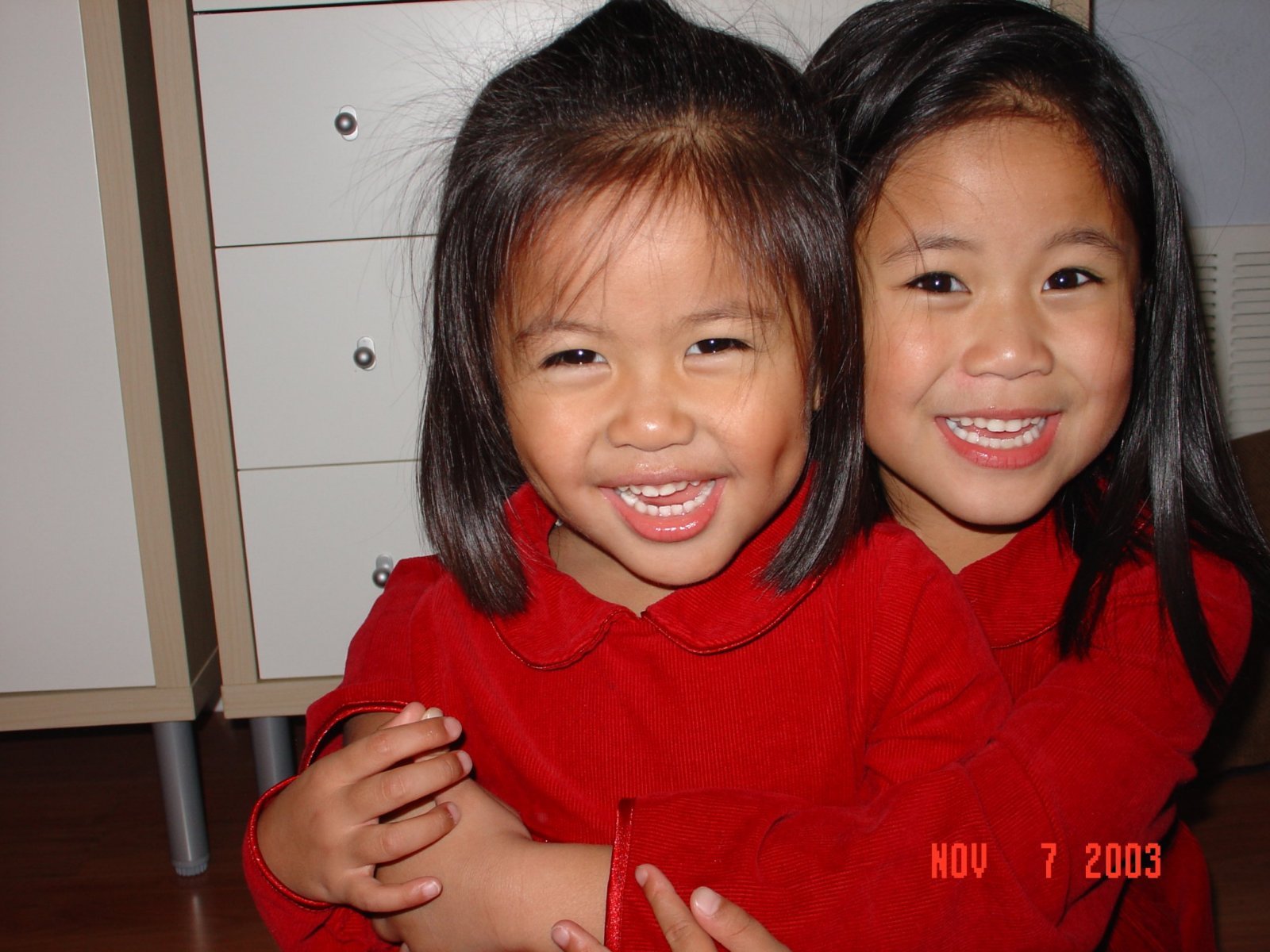
Alexis with her younger sister in 2003
Image courtesy of Alexis Constantino
It wasn’t until I reached the latter half of my college years and post-college that I really processed the weight of being the eldest daughter. I first felt the responsibility of being a “second parent” to my sister when my parents turned to me for more insight on how my sister was doing in college, or for help in conveying something in their stead because my sister “will listen to me more.” Feeling like a “second parent” goes beyond the responsibility of just being a good role model and being there for my sister, so it has been tricky to balance as an adult.
This feeling continued onto my own parents when I realized they were getting older the same way I was. As I got to know them a bit better as people and not just my parents, I came to understand why they think and react the way that they do to things like familial disputes or celebrating achievements, and that they’re still navigating life as much as everyone else. Even today, I sometimes feel like their “second parent” when I stand as a source of emotional support for them, show them how to understand the world from another perspective, and take charge in our family trips as the planner and navigator. These instances can often be very frustrating, but there are times I don’t mind that I can play this role as another way to take care and show love to my parents, especially when they didn’t have someone like me when they were growing up.
I realize that I constantly walk a fine line between being an eldest daughter or “second parent,” while still being respectful of my parents and how I was brought up. And I’m still navigating this to this day. I believe that my role in my family has shown me what I am capable of when it comes to my loved ones, even to a fault, and has pushed me to shape my life into the way I want it to be. I’m proud of what I’ve done and continue to do for my family, but I know I’m also more than the position I was given at the age of four.
If you feel like you’re in a similar position as the eldest daughter who became a “second parent,” then you’re not alone! Read The Eldest Daughters Who Became Parents to explore ways to redefine your role in your family.
