

The Academy’s Biggest Snub
Now that the 2026 Oscars have come and gone, cinema has a new cast of darlings who’ve been awarded their flowers. With it comes a mixed array of celebration, surprise, and sometimes even outrage, but for the jaded spectators whose favorites have lost well before the official Oscars ceremony, there is also the lingering sense of dismay. Of course, there are only so many nomination spots each year. In a year with many good films, absences in the nominations are bound to cause a greater sting. Even worse is when a widely beloved filmmaker gets overlooked.
And the Nomination for Biggest Snub Goes To…
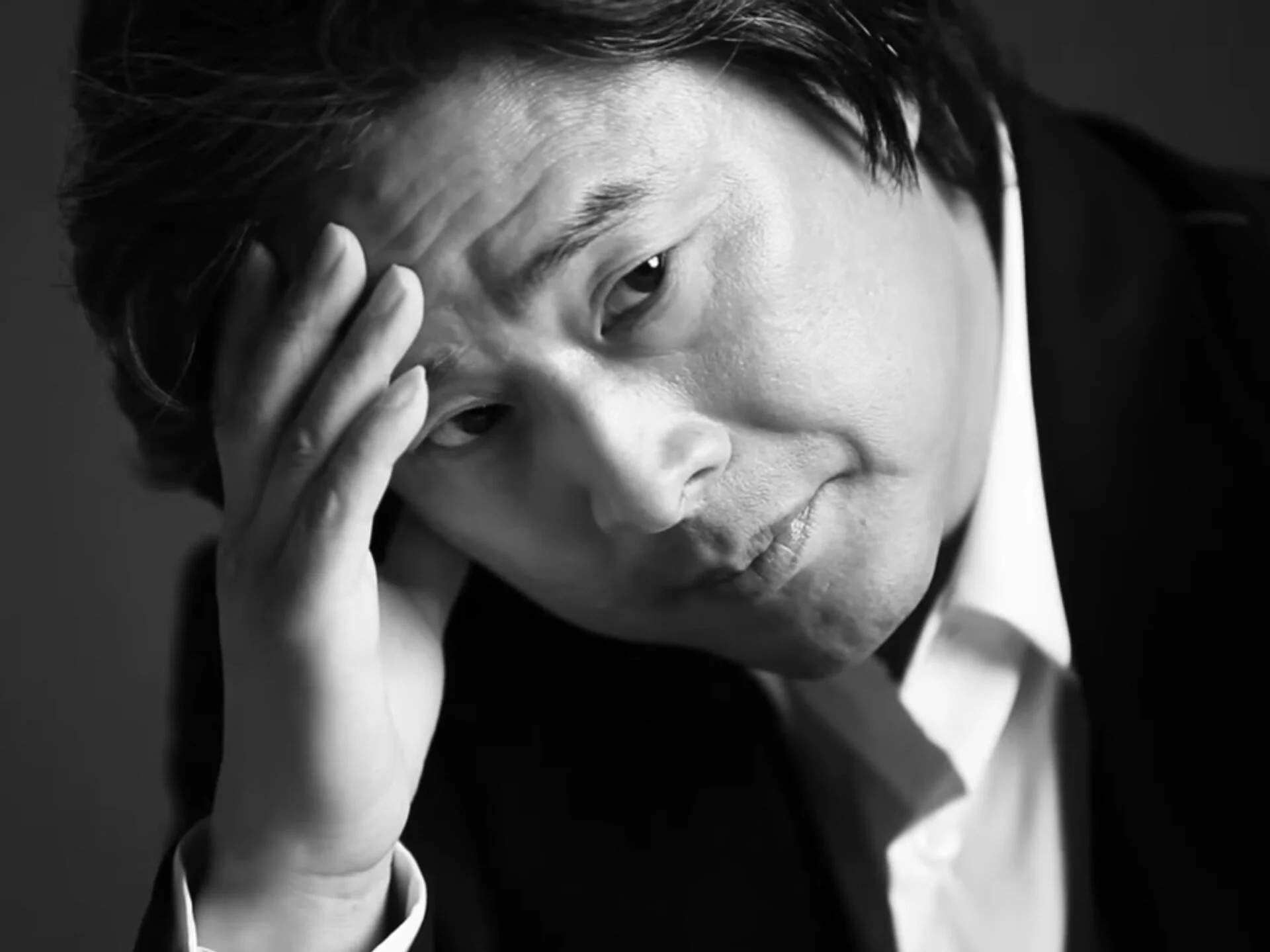
Director Park Chan-Wook
Image courtesy of Wikimedia Commons
Park Chan-wook, one of the most prolific directors working today, has a long career of international acclaim originating from his Vengeance trilogy. The films—Sympathy for Mr. Vengeance (2002), Oldboy (2003), and Lady Vengeance (2005)—explore the ugly human inclination towards revenge in ways that are equally as heartwrenching as they are disgusting. He is best known for provocative, genre-bending narratives designed to showcase the full range of human emotion in situations of duress. Despite a tendency towards violence, the films remain buoyed by humor, satire, and charismatic characters you want to root for despite their moral failings.
Since 2002, Park has worked closely with female screenwriter Chung Seo-kyung on projects such as Lady Vengeance, I’m a Cyborg, But That’s OK (2006), and The Handmaiden (2016) which all feature strong leading women who overcome the grips of society and/or domineering men. In an art form where it is common for women to be relegated to plot devices or eye candy, Park’s filmography post-Oldboy stands out in that it consistently centers complex female perspectives in a way that does not compromise the darkness of Park’s preferred narratives, but rather compliments them. The screenplays show us that the female psyche is not much different from a man’s—capable of pleasure and pain, desire and deception, and violence and valor just the same—thereby creating women that are as compelling as they are real.
Park's acclaim includes major awards from the Cannes Film Festival—the Grand Prix for Oldboy (2003), the Jury Prize for Thirst (2009), and Best Director for Decision to Leave (2022)—as well as a BAFTA for The Handmaiden.
His most recent release, No Other Choice (2026), is a black comedy thriller about a man down on his luck after getting fired and decides to eliminate his competition through more primal ways than what is traditionally accepted. It swept South Korea’s Blue Dragon Film Awards, winning in both Best Film and Best Director categories, and was nominated for both a Golden Globe and a Critics’ Choice Award this season.
It feels frustrating then, when his long list of awards and nominations doesn’t include a single Oscars nod. Despite only recently attempting to correct its faults in failing to recognize diverse artistic merit, the Oscars are the oldest entertainment award of its caliber. With its long, storied history comes sought after prestige. But how are Oscars nominations even decided? Is it industry members’ fault? The institution’s fault?
The Oscars Voting Process
The Oscars voters are Academy members, and Academy membership is exclusively by invitation. The Oscars voting process itself is divided into a preliminary round for select categories, the nominations round, and the final round. In the final round especially, each voter is tasked with the responsibility of watching every film (though spoiler: sometimesthey don’t and weren’t even required to until the latest awards season) before submitting their anonymous ballot.
This year, No Other Choice was shortlisted for International Feature Film after the preliminary round but failed to secure a nomination. In 2022, Decision to Leave (2022) saw the same fate. It seems baffling that it took until 2022 for Park to have entered the Academy’s conscious mind when films like Oldboy and The Handmaiden have been touted as masterpieces not only within his filmography, but also of Korean cinema as a whole. Upon closer inspection, however, it is not so simple as plain oversight.
As the Oscars are an American awards show, international films have an added limitation: each foreign country can only have one submission per year for consideration. In 2003, South Korea submitted Kim Ki-duk’s Spring, Summer, Fall Winter… And Spring (2003) over Oldboy. In 2016, Kim Jee-woon’s The Age of Shadows (2016) upset The Handmaiden. In fact, 2022 was the first year South Korea chose to submit a film directed by Park Chan-wook.
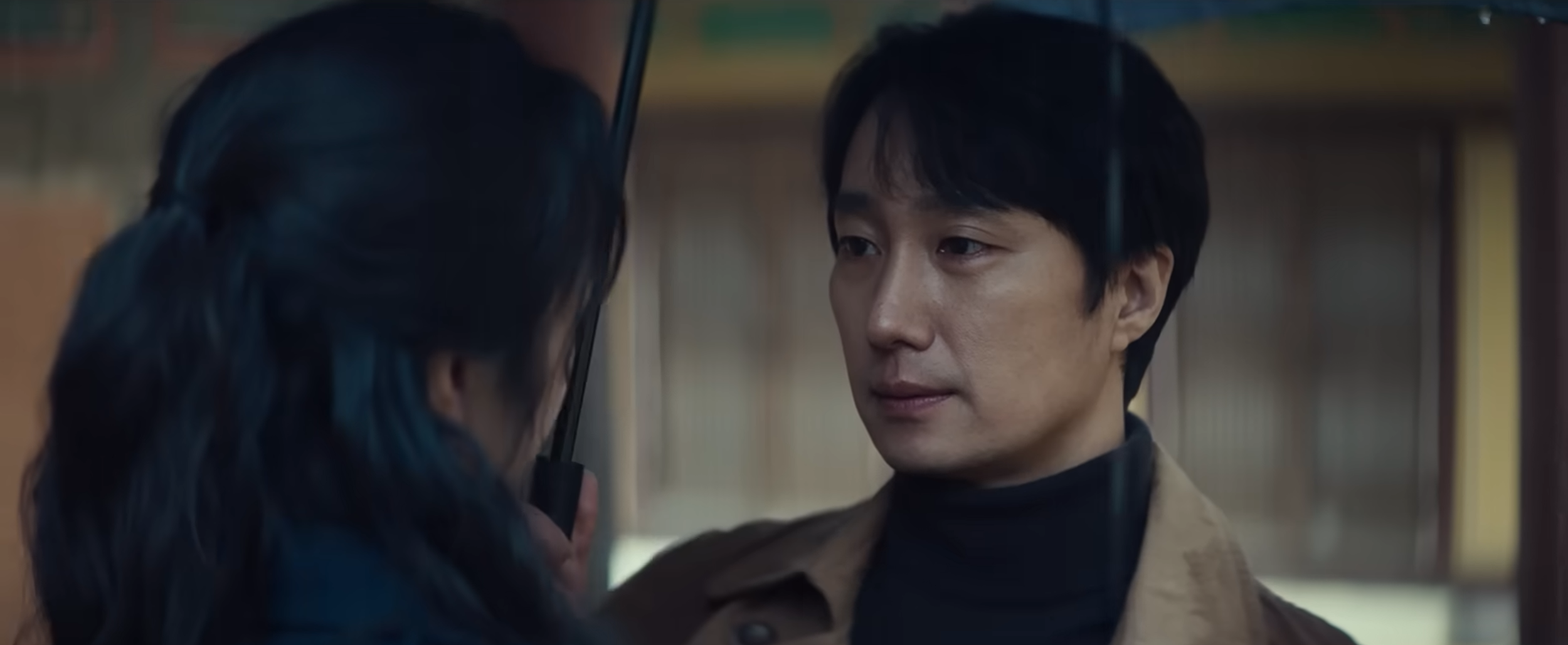
Screenshot taken from MUBI’s Official Trailer on YouTube for Decision to Leave (2022)
The Bottom Line
That being said, the complete shutout of such an acclaimed filmmaker from the Oscars remains a mystery. Decision to Leave and No Other Choice are both films spliced to precision, scored to fitting crescendos and swooping lows, and filmed with a slick coolness that has become synonymous with Park’s style. Besides the coveted International Feature Film and Best Director categories, neither film would have been out of place with an Editing or Screenplay nod.
Perhaps, then, it is a question of taste. Perhaps Park’s affinity for razor-sharp storytelling and immoral protagonists are not as appreciated by Academy members as they are by other prestigious award shows. Notably, the only Korean film to receive a nomination let alone an award was Bong Joon-ho’s Parasite (2019), despite the decades of innovative South Korean filmmaking that preceded it. Before that, Lee Chang-dong’s Burning (2018) was sidelined on the shortlist.
Unfortunately, it seems like Oscars recognition is just another waiting game—for Park Chan-wook to get his flowers, and for Korean cinema to be recognized beyond one rightful breakout hit.
While the Oscars cycles churn on, it is rewarding and reassuring still to see Park Chan-wook continue to make the films he wants to, and without any need to pander towards anyone’s taste but his own.
If you’ve watched No Other Choice and are looking for more…
For more of the doomed: Decision to Leave (2022)
A detective investigating a man’s mysterious death becomes increasingly enamoured with his suspect: the dead man’s wife.
For more of the romantic: I’m a Cyborg, But That’s OK (2006)
A girl believing herself to be a cyborg befriends a boy who thinks he can steal souls in the mental hospital she is newly admitted to.
For more deception: The Handmaiden (2016)
During the Japanese occupation of Korea, a naive pickpocket is recruited to swindle a lonely heiress of her fortune.
For more antagonism: Oldboy (2003)
Without knowing the reason for his 15-year imprisonment, a man is released with a singular goal for revenge.
And if you really, really understand that there was no other choice: Sympathy for Mr. Vengeance (2003)
A deaf man and his girlfriend commit an act of desperation to fund his sister’s kidney transplant, but things quickly spiral out of control.
Or follow this tree to see which of Park’s movies is the best fit for you!
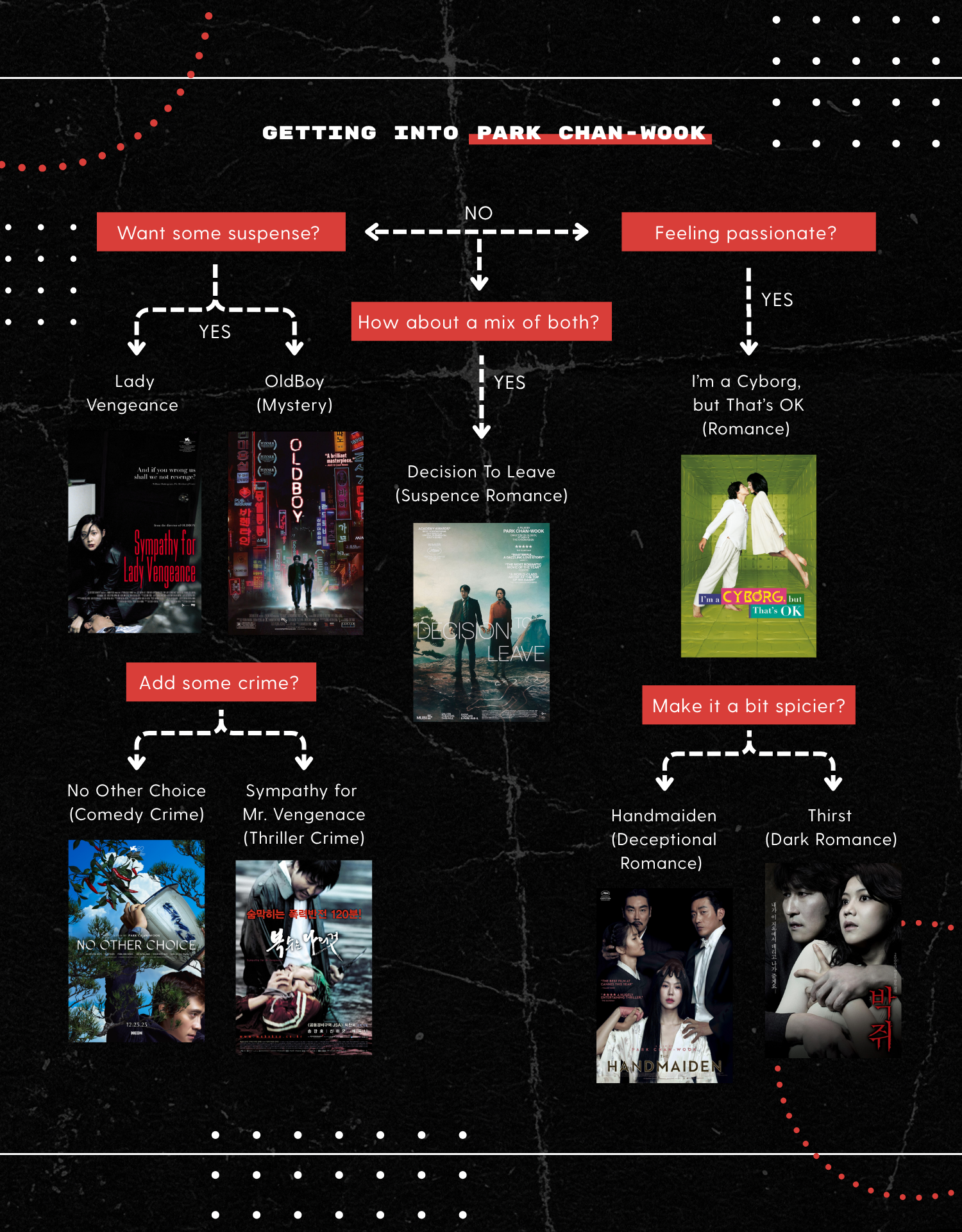
Graphic by Gurleen Kaur