

Row Through Your Trauma: A Review of I Think About Killing You
Warning: the content below includes thematic spoilers for the film.
We’ve all felt rage and unfairness, and we’ve all had the occasional intrusive thought flit across our minds. Normally, we’d probably let that pass and not dwell on it, but have we ever been pushed to the point where the intrusive thoughts start feeling like our best and only way out?
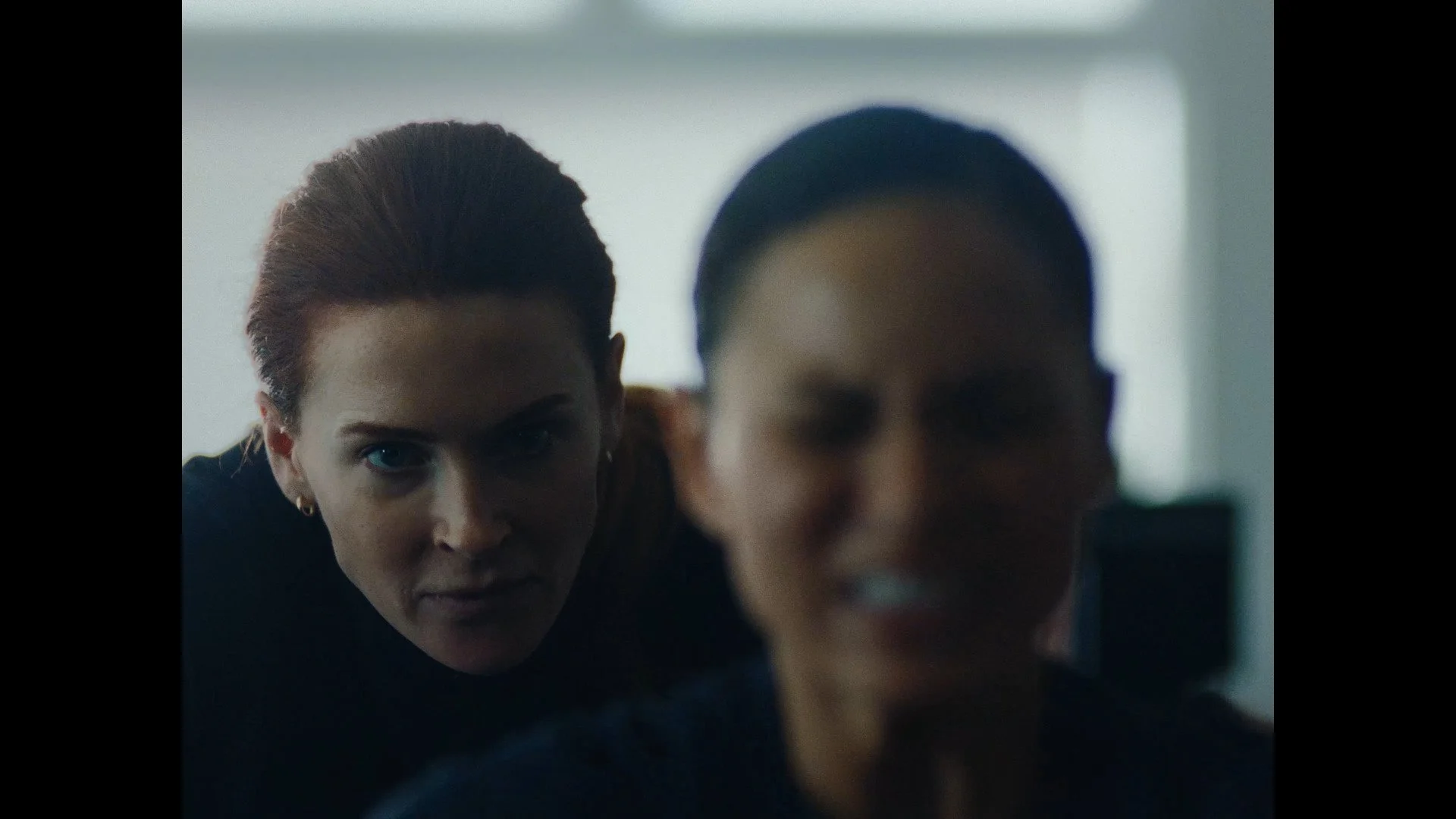
Writer and director Ran Ran Wang’s I THINK ABOUT KILLING YOU is an intense and addictive sports thriller about Dani (Tiana Le), captain of a Division 1 collegiate rowing team, and her recurring fantasies about killing her abusive coach. When the coach (Bridget Regan) pushes the team further and further past the brink of exhaustion, Dani needs to decide what she’s willing to sacrifice in exchange for greatness.
Wang has a way of immediately situating the viewer within Dani’s mind from the start: the uniformity of ocean waves blasting through Dani’s Airpods is starkly silenced by the coach’s beckoning. The film delivers a hefty punch with its meager fourteen minute runtime. Unease builds and releases, builds and releases, then builds and builds and builds with every flash of Dani’s invasive and violent fantasy.
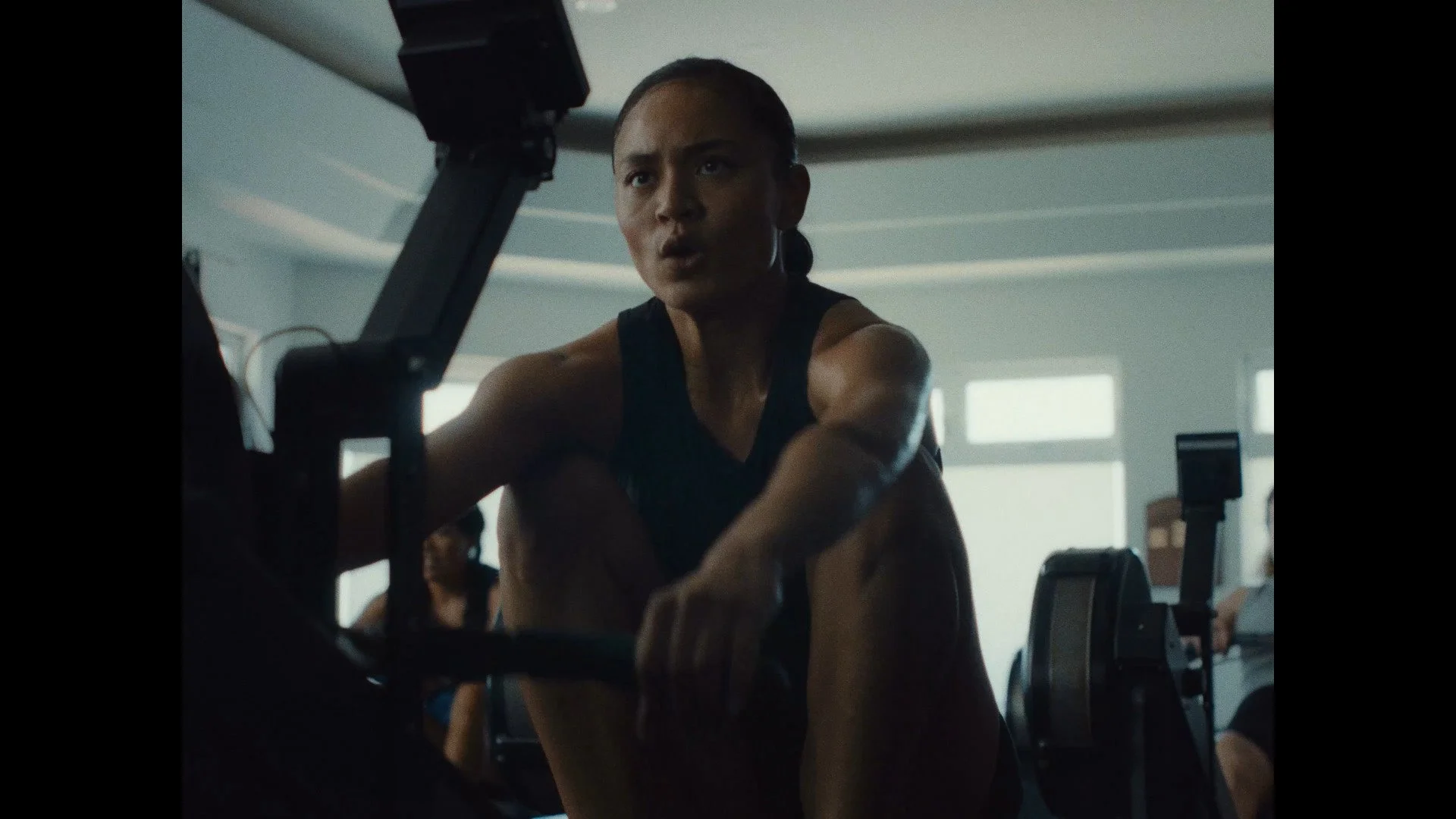
Growing up as a competitive judoka, Wang demonstrates a unique adeptness in depicting the pressure cooker that is D1 collegiate sports because of her personal experience. Though not a rower herself, a personal friend who was a competitive rower inspired the story. “We had very parallel experiences with certain coaches and how we felt about those [relationships] in retrospect now that we were much older and have left it behind. And I had wanted to write a story and to talk about what it means to be a woman in community with other women, and what it meant to be a woman in sport,” she says in an interview with Lotus Magazine.
The tension threaded throughout the film is maintained visually through dim lighting and clever use of a 4:3 aspect ratio which boxes the characters in with each shot. The camera often remains static and takes on a bird’s-eye view, a passive spectator who has no power to stop the abuse every time tensions rise. You feel as powerless as Dani as her anxiety permeates through the screen. Regarding the film’s visual language, Wang and her Director of Photography Zoe Simone always start by asking themselves: what are the rules of this world, and how should we break them? Wang further explains, “For example, the fantasies were really, really sharp, and then all of a sudden it's not. We can subvert those expectations and surprise people because we establish a language. And so we start there…What do we want people to feel? You’re like, wow it felt so anxious. Yes!”
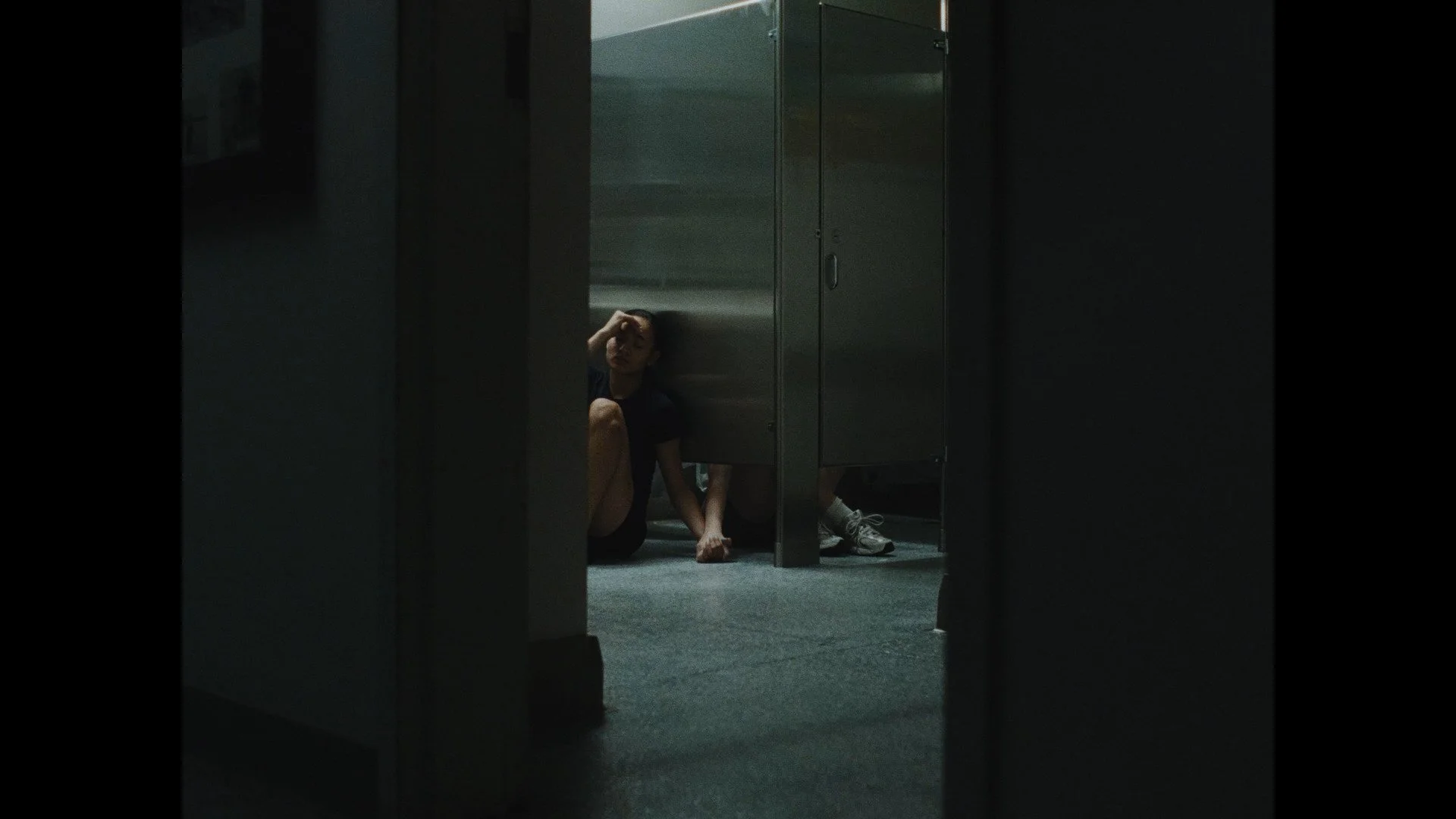
However, the film’s strongest point arguably lies in its ability to establish and explore complex relationships between the teammates and between the coach and her team. The relationship between the top two rowers, Dani and Lara, is directly juxtaposed with that of Dani and her friend Charlotte, highlighting how vastly different team dynamics are while remaining convincing and grounded. There’s competition yet respect between Dani and Lara, while the camaraderie between Dani and Charlotte is taken as pity due to Dani’s role as captain and her natural gift for the sport. Charlotte, on the other hand, only rows to keep her scholarship.
When asked about how she crafted this web of characters, Wang comments, “When writing Dani and knowing that she had this very intense personal relationship with the coach, I really was looking at the girls around her to be foils for her and to show us what it could look like to have different kinds of relationships in the same room with the same people, but be motivated by different things. Ultimately, to put them all in the same place in the same situation.” Or aptly, to put them all in the same boat.
Though Dani’s character wasn’t specifically written to be an Asian woman, the casting of Tiana Le, who is half Vietnamese, renders Dani’s relationship with her coach in a different light. At the intersection of athletes and Asian American women lies the expectation for obedience and quiet endurance even under abuse. “I think it’s impossible to separate my identity from the things that I write,” Wang says. “I was a female athlete, and when I look back on that time, I recognize that I wanted to be great…when you're an Asian woman and you live within those stereotypes of submissiveness, within obedience, within deference, it’s even more difficult to recognize when your desire to be great and the obedience required to do so has been taken advantage of.”
What makes Dani and her coach’s relationship even more heartbreaking is that the abuse comes from a female coach, one who has endured similar experiences in her time as an Olympic rower. Instead of advocating for the bodies and minds of her athletes, she perpetuates harmful practices to the next generation in the name of excellence.
In the end, Dani’s intrusive thoughts don’t seem so far-fetched from being a reality. Wang draws us in, riles us up, and leaves us with the same pent-up anger and frustration that Dani feels, sweeping her fantastical turmoil of emotions into a whirlwind of our own.
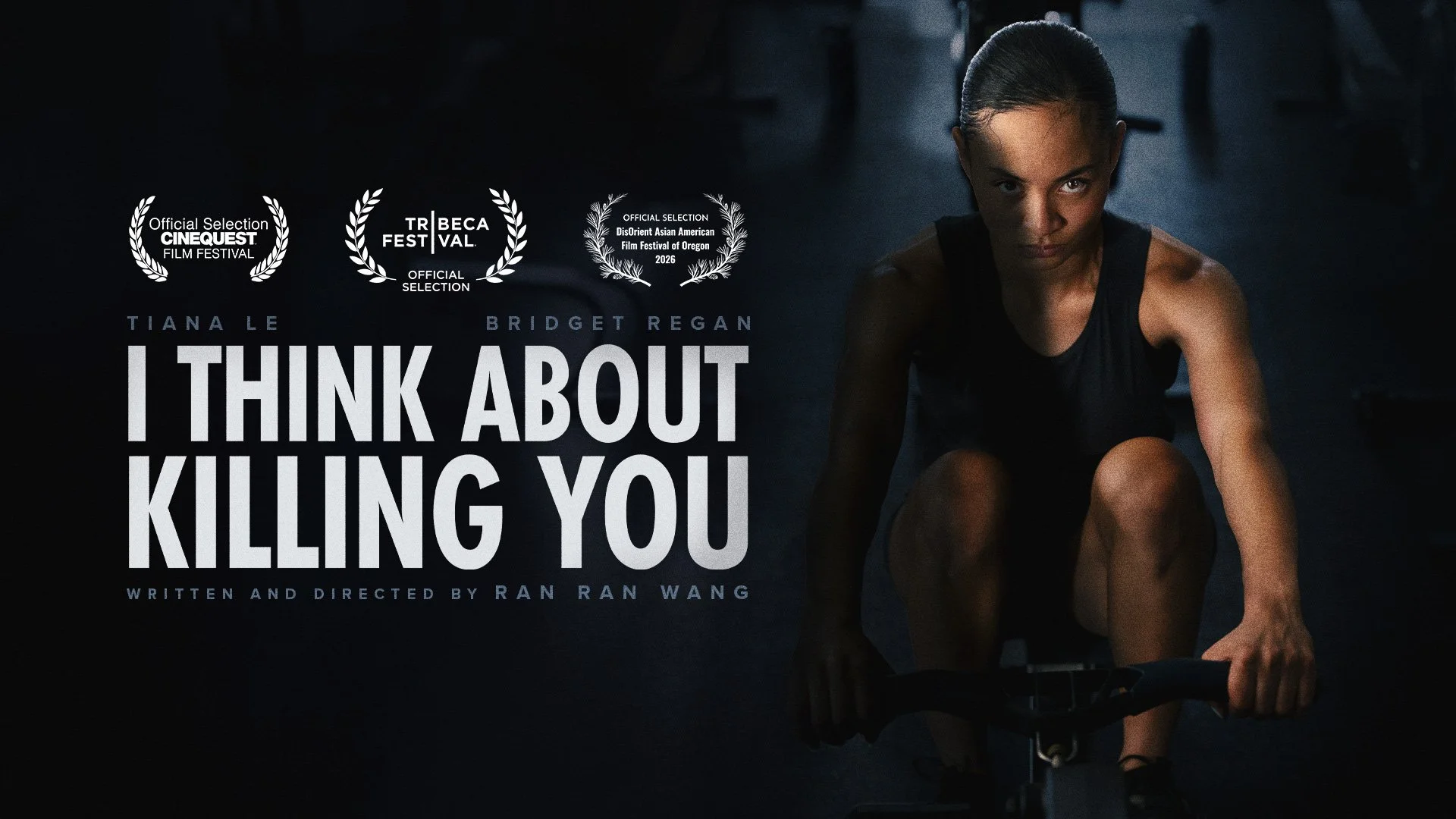
I THINK ABOUT KILLING YOU had its New York premiere at the 2026 Tribeca Festival as part of the Shorts: Competitive Edge program. The film is a proof of concept and is currently making its way through the festival circuit. Please follow Rideback RISE and Ran Ran Wang on socials @RidebackRise @R2Wang for screening announcements and release updates, and for press materials, please see HERE. If you’re interested in reading more about what writer-director Ran Ran Wang shared with us in her interview, click here for the full transcript!
All images courtesy of Rideback RISE and Echobend