

No Green Thumb Required: Asian Plants for the Everyday Gardener
Plants bring so much life into a home, literally and figuratively. They add touches of color to every corner of the house and come in a variety of shapes, scents, and textures that both brighten and decorate. I grew up watching my mom tend to plants indoors and outdoors my entire life, and I’ve seen her bond with other people through shared gardening experiences and plant swaps. There is truly a community and joy I have yet to discover, so here are some Asian plants I would consider starting out with if you’ve been trying to kickstart that plant girl era!
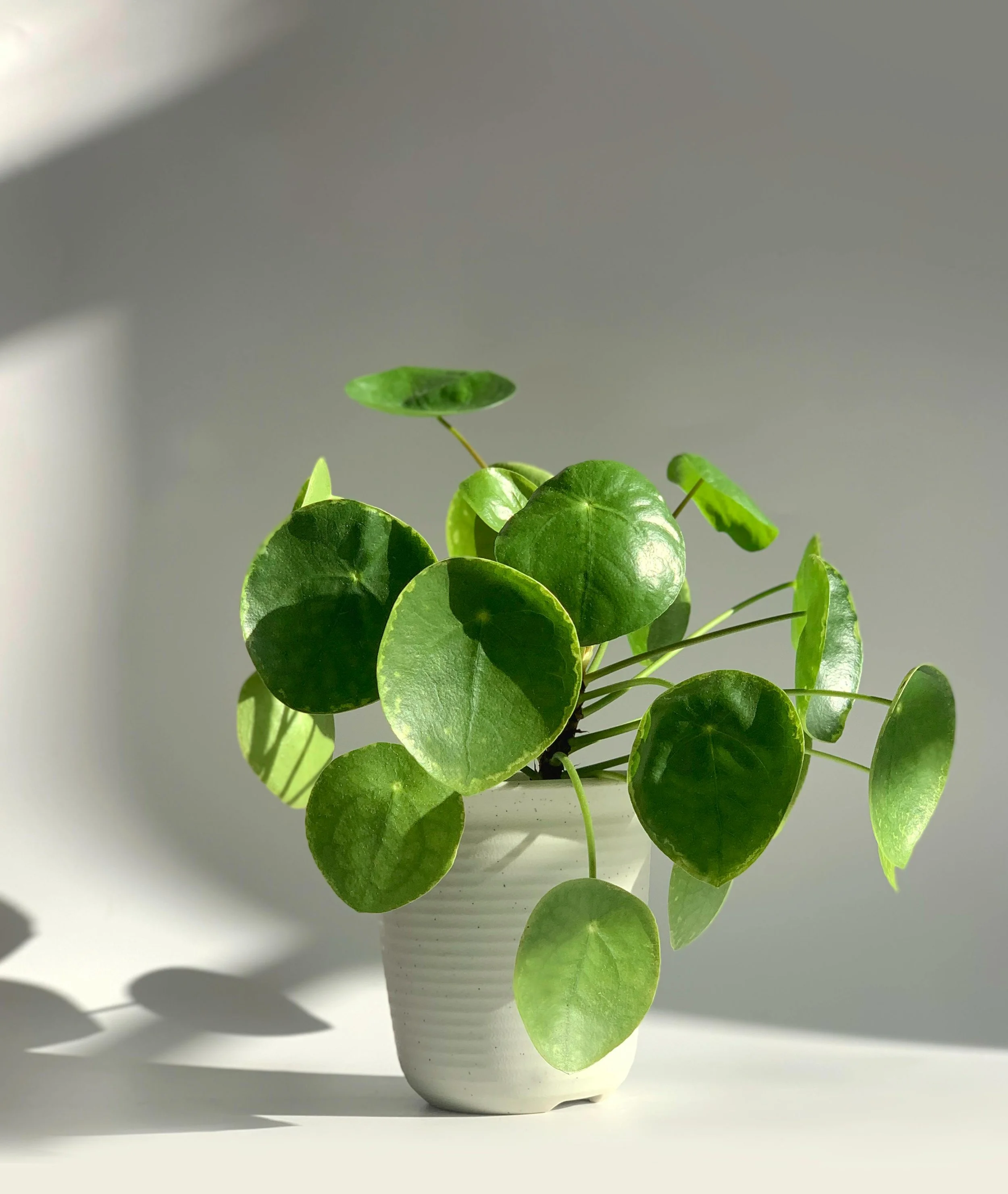
Chinese Money Plant
Also known as the UFO plant or pancake plant, the Chinese Money Plant (Pilea peperomioides) is the perfect houseplant to place near a window, as it thrives with plenty of indirect sunlight and some humidity with moderate watering. Originating from the Yunnan province of southern China, this plant is known to be easy to care for indoors and easy to propagate (so you can share the joy with loved ones)!
Image courtesy of Kulbir from Pexels
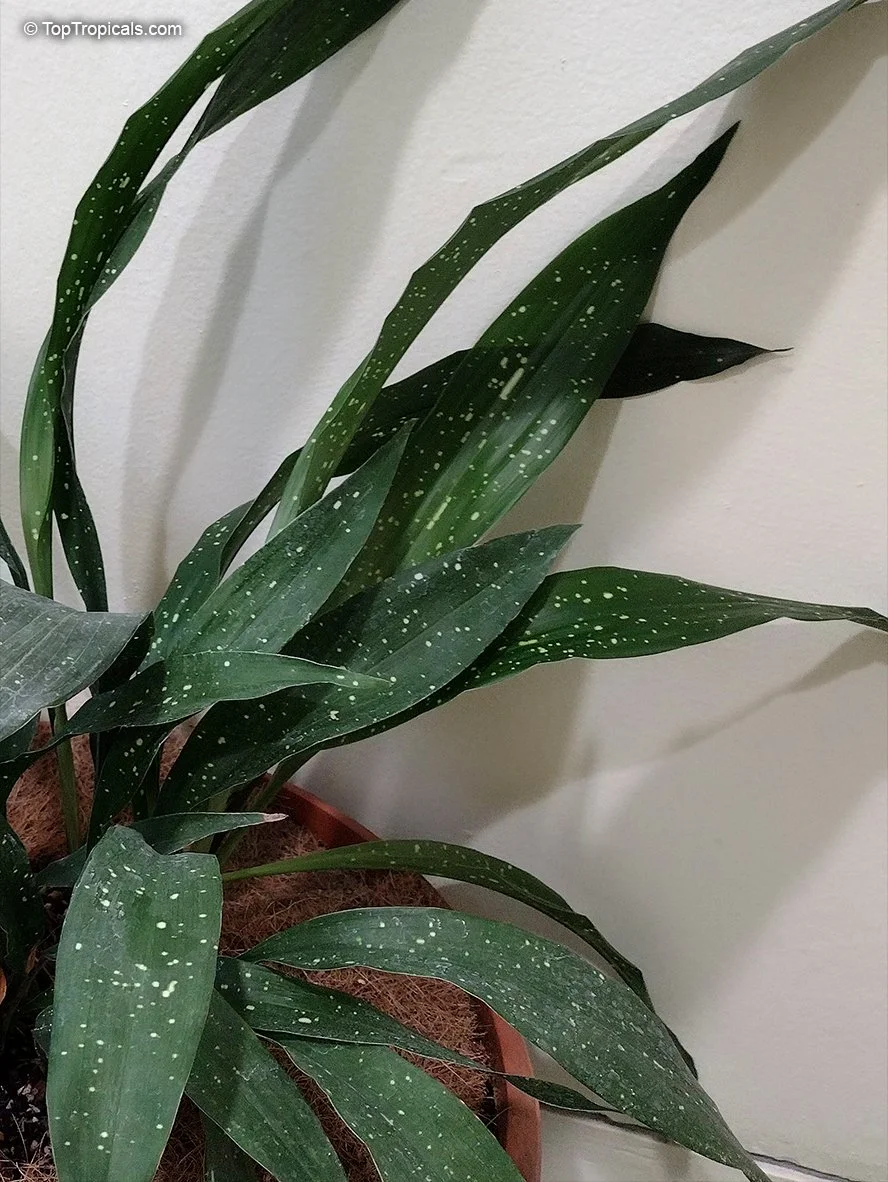
Cast Iron Plant
Native to southern Japan, the Cast Iron Plant (Aspidistra elatior) can be grown indoors and outdoors, as long as it’s kept in indirect sunlight and under shade. It’s also known as a “hardy” plant, meaning that it can survive in adverse growing conditions, or in other words, resilient and low-maintenance!
Image courtesy of TopTropicals
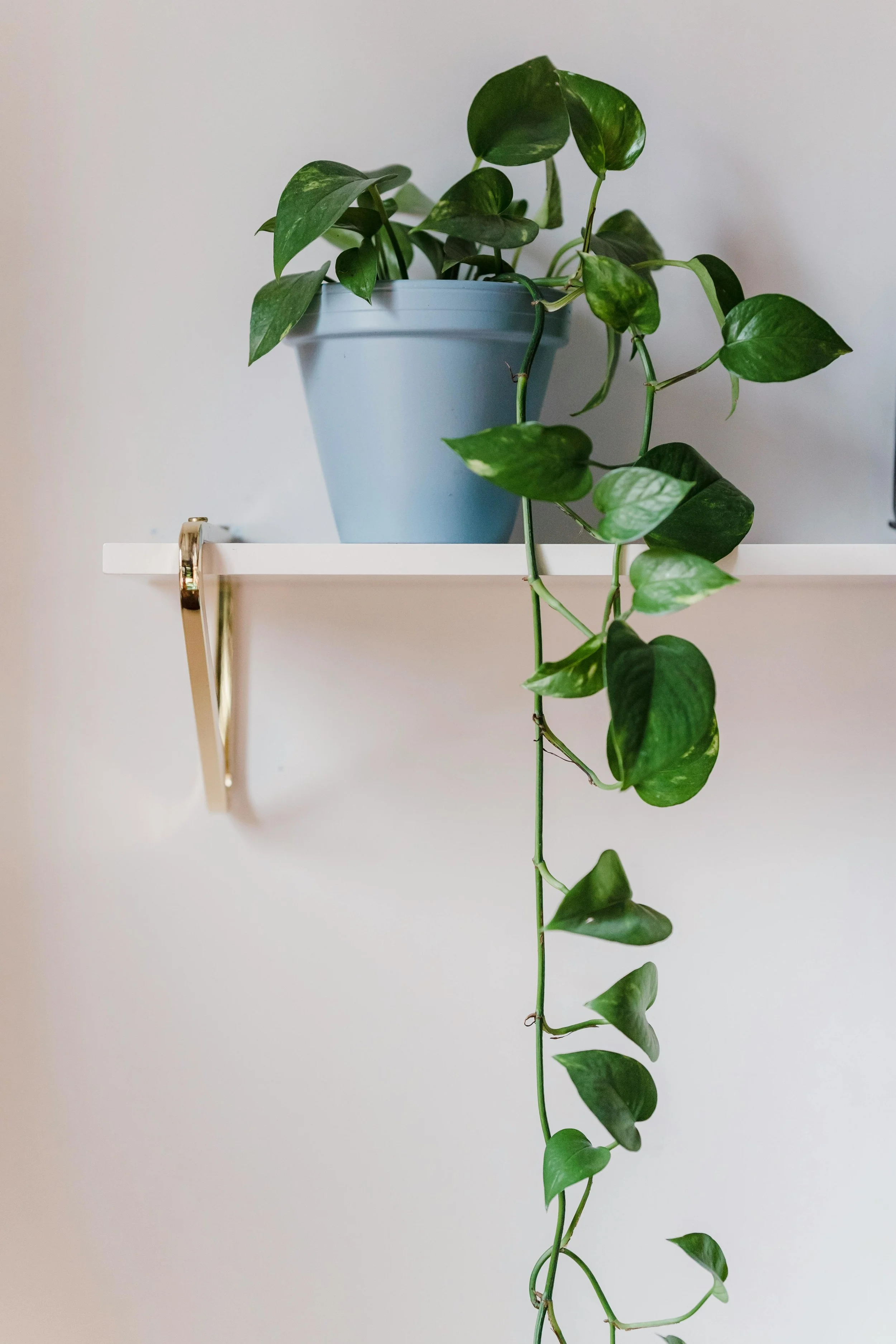
Pothos
Pothos (Epipremnum Aureum), or Devil’s Ivy, is a popular plant from Melanesia in southeastern Asia that you’ll want to hang either indoors or outdoors! This beginner houseplant will provide beautiful vines with heart-shaped leaves that can drape downwards or trail outwards if you’d prefer to keep it closer to the ground. Perfect for decorating the window sill to add a nice pop of color! Disclaimer: Do note that this plant is toxic to pets!
Image courtesy of Tim Samuel from Pexels
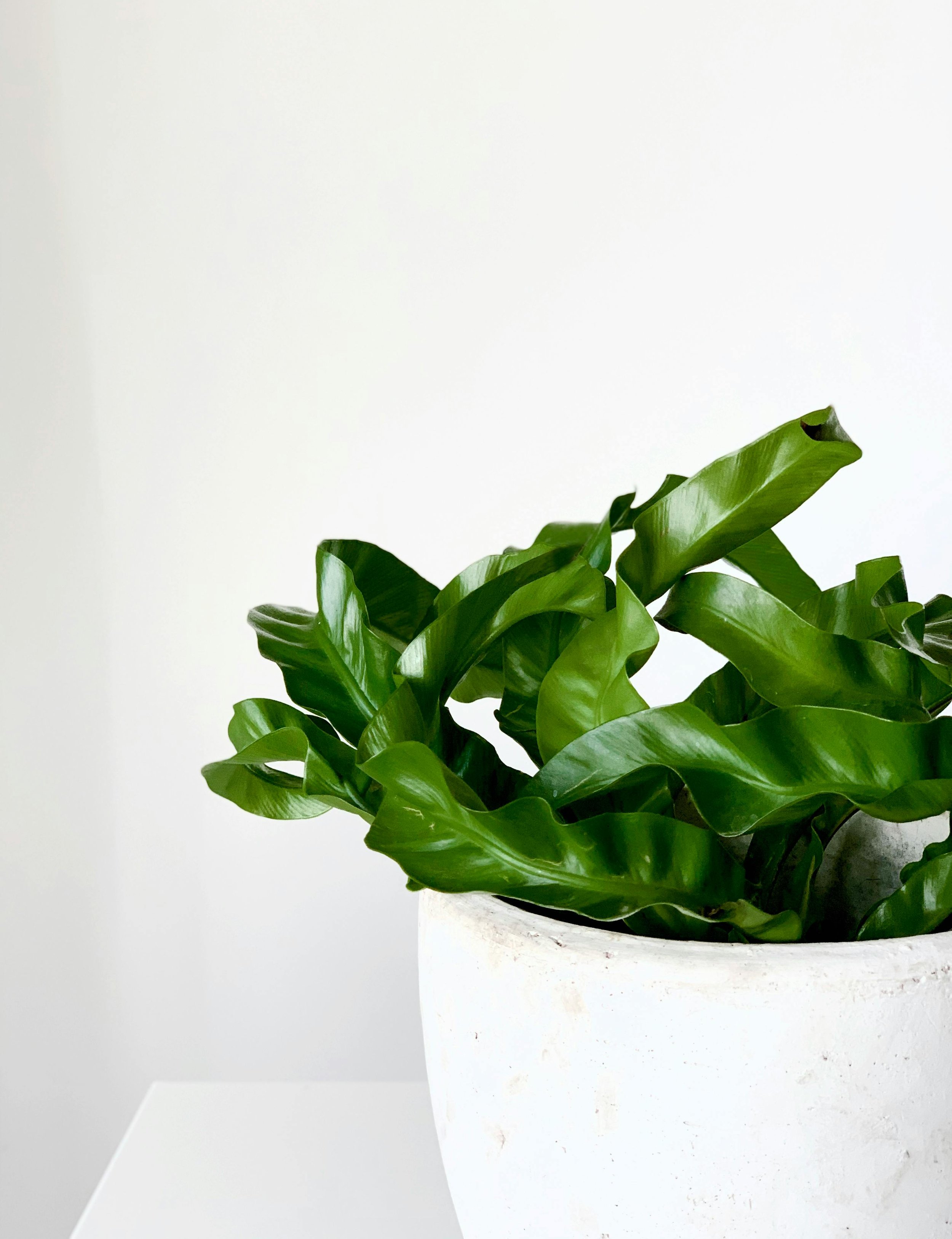
Japanese Bird’s Nest Fern
The Japanese Bird’s Nest Fern (Asplenium antiquum) is a tropical plant from East Asia (specifically Japan, Taiwan, China, and Korea!) that thrives in humid and shady conditions. While it has been classified as an endangered species in Japan and South Korea, it still remains a unique ornamental houseplant to spruce up a home, especially a bathroom, which may just be the ideal climate for them!
Image courtesy of Kulbir from Pexels
Bonsai
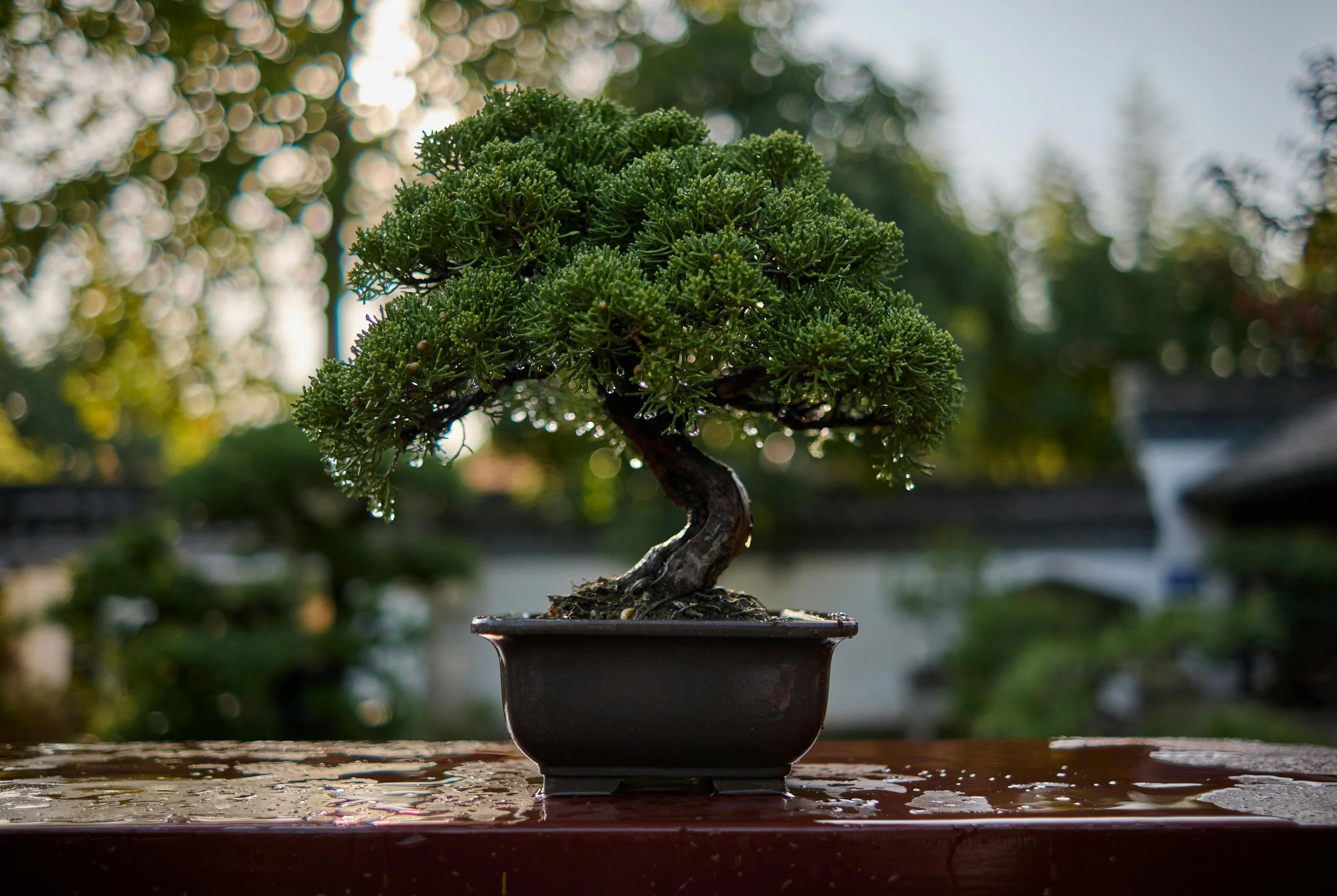
Despite the popular association with Japan, bonsai trees actually originate from China, where the idea of growing trees in containers and as miniatures was first introduced. And believe it or not, there are certain indoor species of bonsai that are perfect for beginners! The ficus (ficus retusa) does well with lots of sunlight by a window, but one important thing to know is that it cannot have its soil dry out completely. The dwarf jade (portulacaria afra), on the other hand, is considered a succulent, which means it will enjoy direct sunlight while surviving periods of droughts. (This doesn’t mean that you never water succulents though! Remember, with plants and all other things, balance is key!)
Image courtesy of Vind from Pexels
Arabian Jasmine
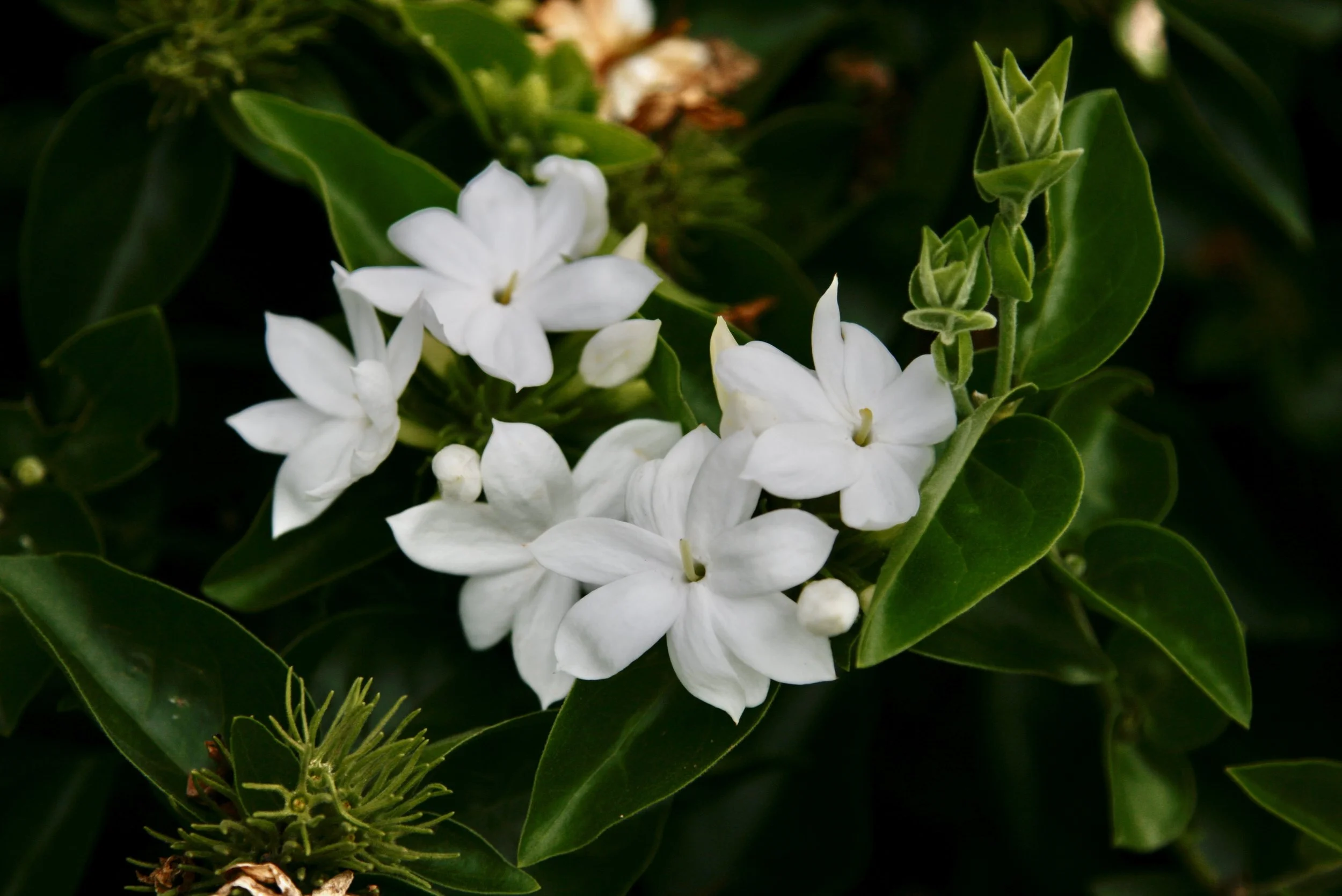
If you’re looking to grow something more fragrant to add some sugar and spice in the air, then the Arabian Jasmine (Jasminum sambac) can be one to consider! Native to Bhutan and India, this outdoor shrub does best in full to partial sunlight and regular watering to produce a sweet jasmine fragrance.
Image courtesy of Dr. Alexey Yakovlev from Flickr
Moth Orchid
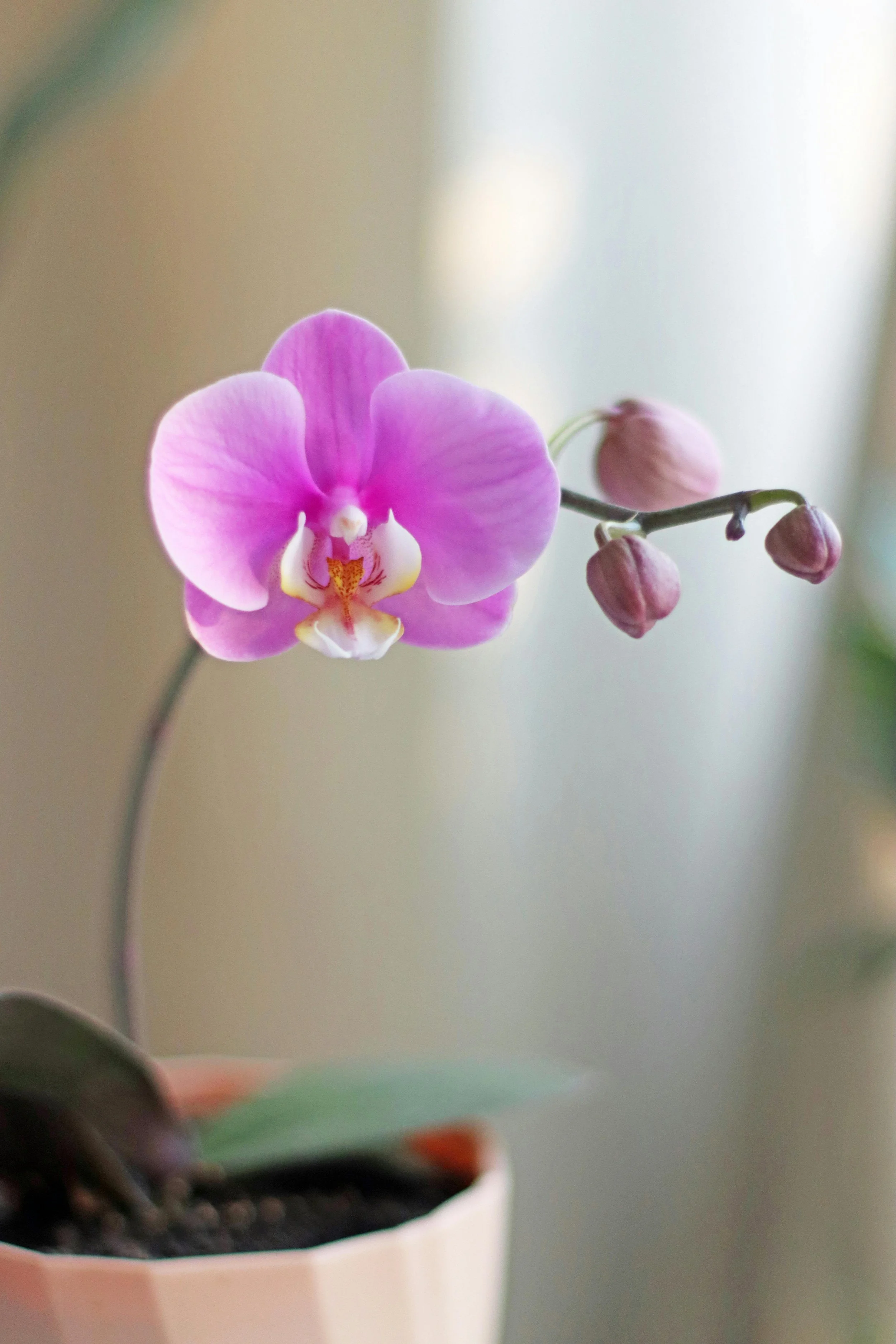
Another popular and easy to care for flower is the Moth Orchid (Phalaenopsis), whose flowers can last 2-3 months, perfect as a long term indoor plant for your home. With its origins in the tropical and subtropical regions of Asia and northeast Australia, this plant thrives in plenty of indirect sunlight and weekly watering. The moth orchid also makes a popular gift choice, especially in Asian cultures where it symbolizes refinement and lasting friendships.
Image courtesy of Amelia Cui from Pexels
Where to Get Your First Plant?
If, despite this crash course, you’re still wondering where to actually procure your starter plant, here are some tips! You can visit local plant nurseries, shops, or even Asian supermarkets, like 99 Ranch, Seafood City, Tokyo Central. It’s also AAPI heritage month so consider supporting local AAPINH businesses! If you live in California, here are some businesses in major cities that you can check out:
San Gabriel Nursery & Florist (Los Angeles)
632 South San Gabriel Boulevard, San Gabriel, California 91776
Ong Nursery (San Diego)
2528 Crandall Dr, San Diego, CA 92111
Katsura Garden (San Francisco)
1825 Post St #110, San Francisco, CA 94115
2nd floor of Japan Center Kinokuniya Building
Aki Nursery (Irvine)
6900 Alton Pkwy, Irvine, CA 92618
