

Lunar New Year: World Tour in Film
For many, the new year doesn’t start until February. According to the Chinese Zodiac, February 17, 2026 marks the end of the Year of the Snake and the beginning of the Year of the Horse. This day is widely regarded as Lunar New Year, though similar to the western new year, it is a long-shared celebration that transcends distance and place. It is celebrated by several nations in Asia as well as beyond, in diaspora communities such as Chinatowns throughout the United States. The new year celebrations come in many different names—China’s Spring Festival, South Korea’s Seollal, Vietnam’s Tết—but the values at the heart of it are the same. In many ways, Lunar New Year’s global nature, as well as its emphasis on family reunion, welcoming prosperity, and honoring ancestors, are captured through the medium of film.
Below are three films that, despite not necessarily being about Lunar New Year themselves, embody the values and lessons of this changing season and come from a select few of the countries that celebrate.
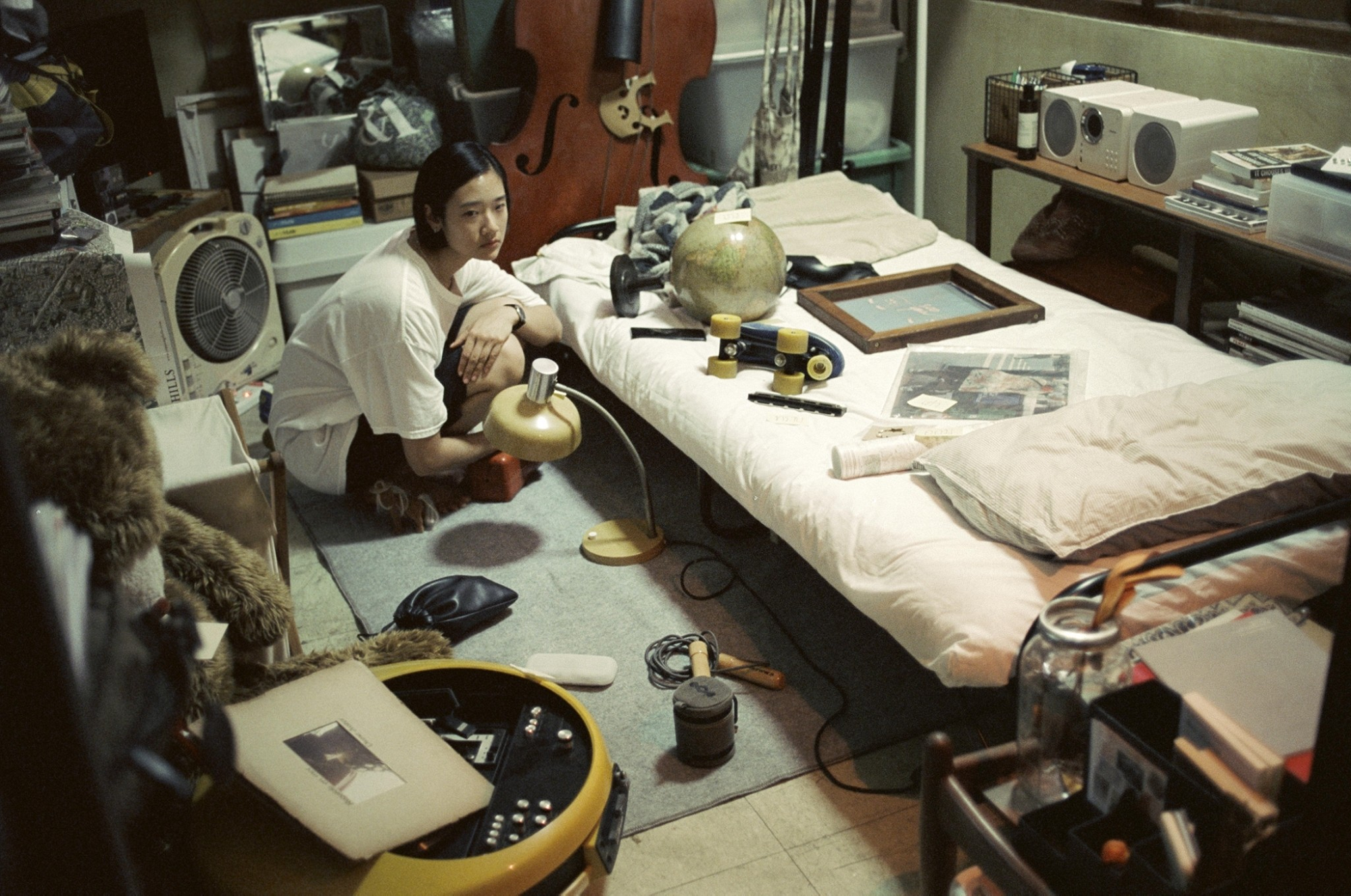
Jean, surrounded by years of accrued belongings.
Image courtesy of GDH
THAILAND
Out with the old, in with the new…right? Nawapol Thamrongrattanarit strikes a careful balance between levity and sensitivity in Happy Old Year (2019), a film that explores what it means to grow from something, and even more importantly the mistakes and self-reflection that journey requires. Feeling stifled in her childhood home, Jean embarks on a mission to declutter her space.
It begins as a rather ruthless mission, but the new year cleanout quickly goes wrong. Spoiler: digging through old belongings means digging through old feelings. Spring cleaning is a tradition shared in both western and eastern cultures, and cleaning before Lunar New Year is a practice often said to make room for new fortunes and toss away last year’s bad luck. However, Jean’s pitfall is foolishly believing that throwing out the past can automatically make her anew.
The film teaches us all to honor the time that has passed, whether they come with sweet or bitter memories. Carrying those reflections into the new year is a necessary part of guiding us all through growth. So before denouncing the past entirely, honor what has passed and recognize what you can take into the future.
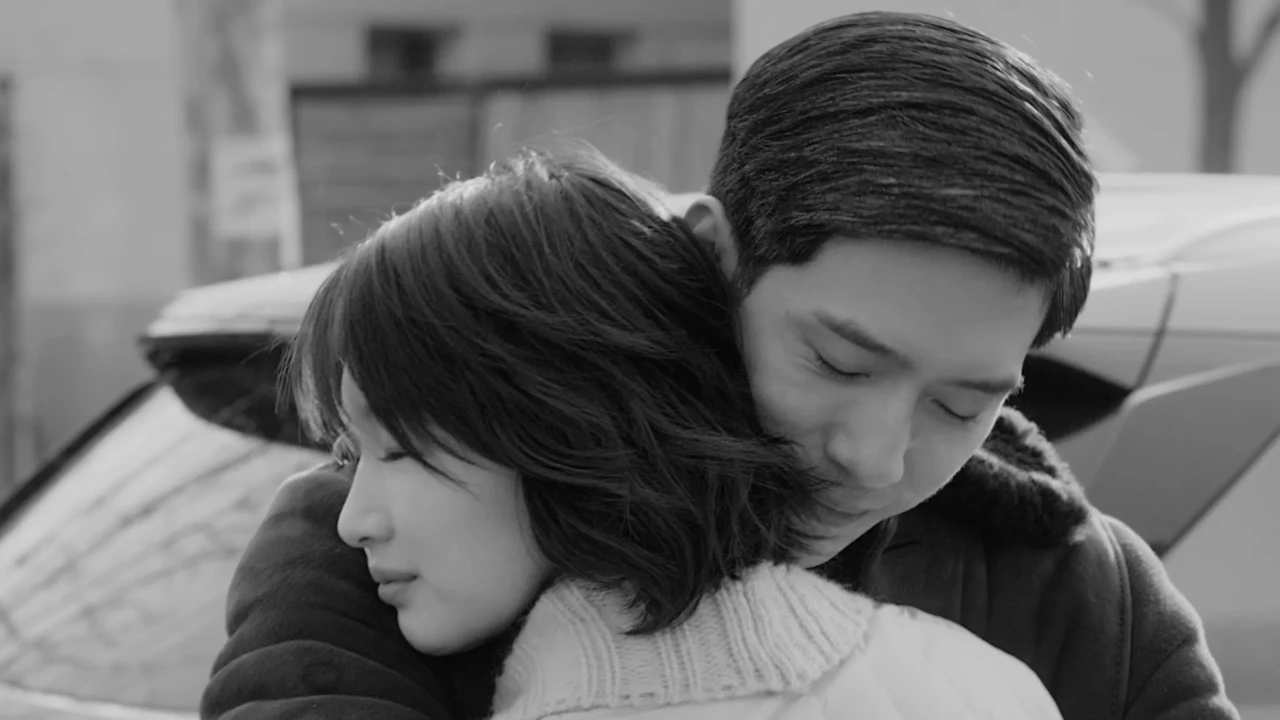
Xiaoxiao and Jianqing forgive themselves and one another.
Image courtesy of Dadi Century Films
CHINA
If you’re looking for that last cathartic cry before the new year begins (it’s bad luck to cry on Lunar New Year!), René Liu’s Us and Them (2018) is the perfect film to watch on the cusp of changing times. In fact, Xiaoxiao and Jianqing’s fateful encounter occurs on the train home for the Spring Festival—the Lunar New Year celebration in China—and entwines them for the decade to come.
It is a story told in retrospect of a relationship that ebbs and flows as time does, going from fast friends to first attraction to cautious reunion. The Spring Festival marks the passing years as we see not only Xiaoxiao and Jianqing’s relationship change, but also their family dynamics and China as a whole. Even if Xiaoxiao and Jianqing are not on speaking terms, the celebrations and snow bring them back together.
In its simplest form, it is also a film about being young and in love. Sure, it comes with growing pains, but there is closure in seeing Xiaoxiao and Jianqing’s older selves work through and learn from the decisions their younger selves made. They learn to move on in spite of, and maybe also because of, their love for one another. A bittersweet lesson, but one that will have you going into the new year feeling lightened by having learned.
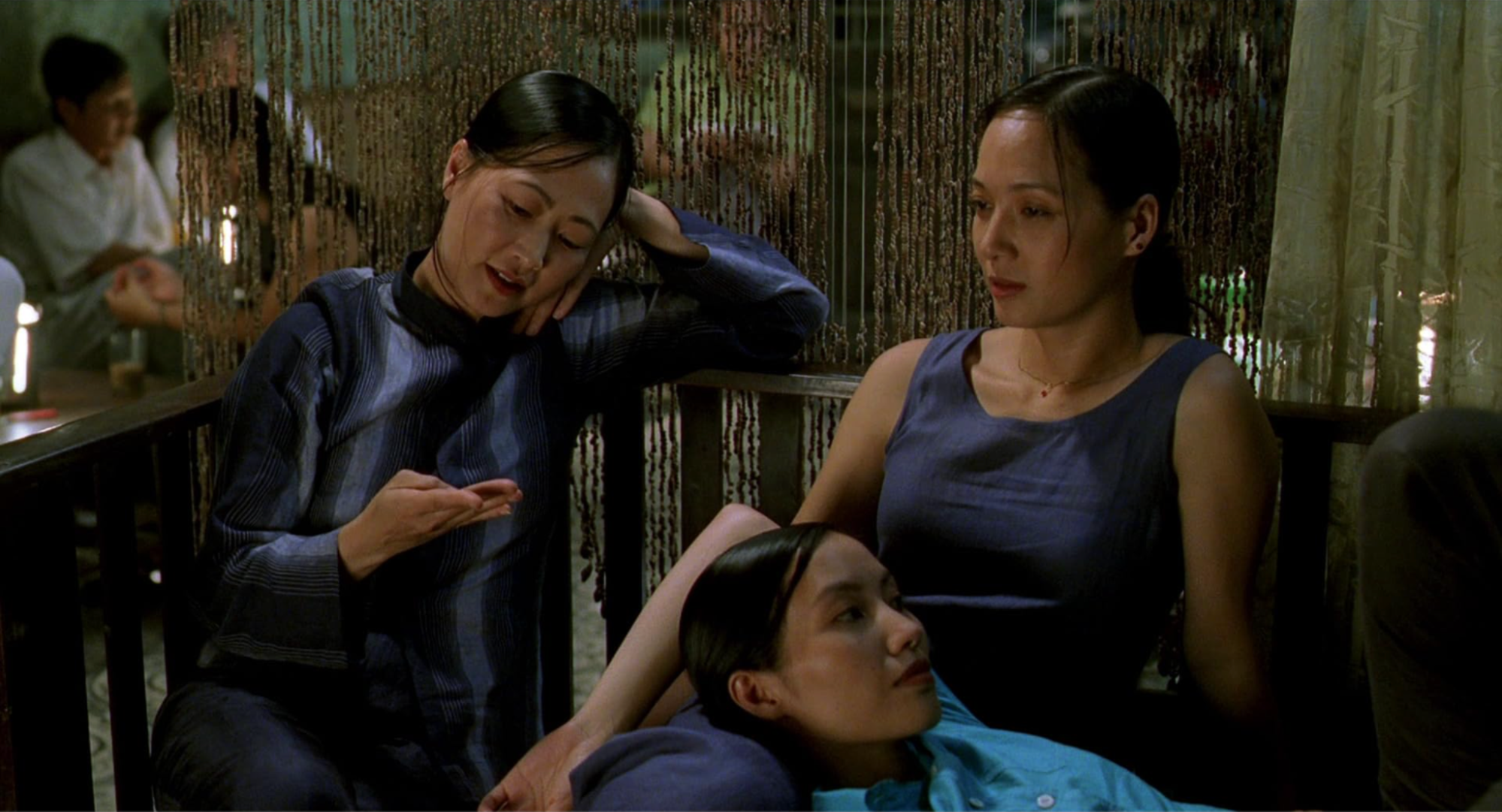
The sisters discuss the depth of their parents’ love for one another.
VIETNAM
And now, to look forward to some warmth. Trần Anh Hùng’s The Vertical Ray of the Sun (2000) opens in a sun-drenched yellow room with The Velvet Underground playing. Long languid limbs and limp, sweat-soaked hair instantly transports you to summer in Hanoi. Though the season couldn’t be further from chilly February, the film reminds us that community is a lifelong commitment and a lifelong blessing.
The film is bookended by two memorials; it unspools from three sisters preparing for a gathering meant to honor their mother. The family gets together for a day and a night of festivities: eating with all the windows and doors flung open, singing together under warm lamplight, gossiping about the lives their parents lived before them. As the sisters navigate changes and discoveries in their domestic lives, it becomes apparent that family is made up of many moving pieces, and the past is always passed down to the present in our familial ties. Though I confess that I did not love the brother and sister dynamic, I enjoyed the film as a mosaic of relationships and of the little moments that make up a life.
Lunar New Year is unique in that it’s a tradition celebrated by so many nations and also their respective diaspora communities. Its values of preparing for good fortune, reflecting on past lessons, and honoring family are not only celebrated once a year but remain vital cultural threads for many, as seen through the intimate creativity of the films mentioned above. In the spirit of the new year, these depictions of life take us through meditation, catharsis, and resolution as achieved through connection with ourselves and our loved ones. One of my favorite lines from The Vertical Ray of the Sun: “Let me sit next to you so we see the same things.”
During the last days of the wise Wood Snake, let’s cherish this intermission of simple joys as film reminds us to do, before diving headfirst into the passion of the Fire Horse.