

Ancient Plant Medicines: Thoughtful Skincare, Powered by Nature
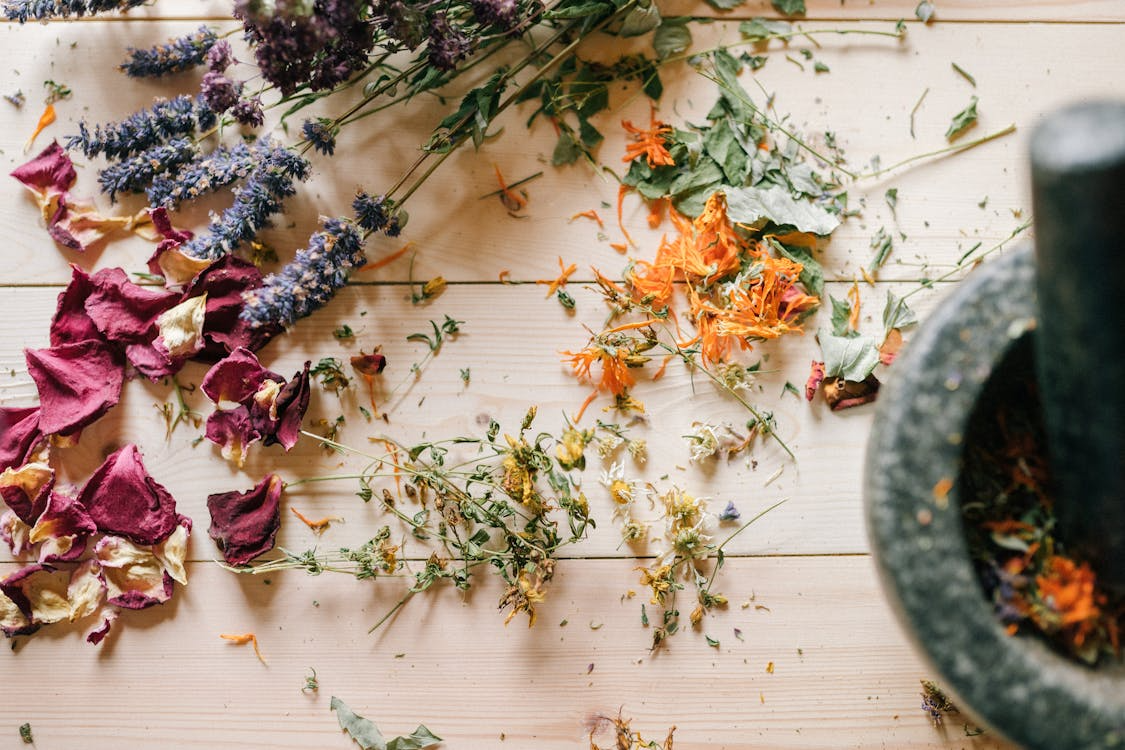
Image courtesy of Yan Krukau
Since the dawn of humanity, ancient plants have been revered for their healing properties. Through observation, inquiry, and curiosity, people learned to harness botanical elements to heal, protect, and restore. While plants have long been used in this way, modern skincare is experiencing a clear shift—from simply using botanical ingredients to truly understanding how and why they work.
There once was a time when chemical peels and dermaplaning didn’t exist, and humans had to rely solely on natural ingredients for skincare. These practices were not only effective, but also endured for centuries, passed down through generations.
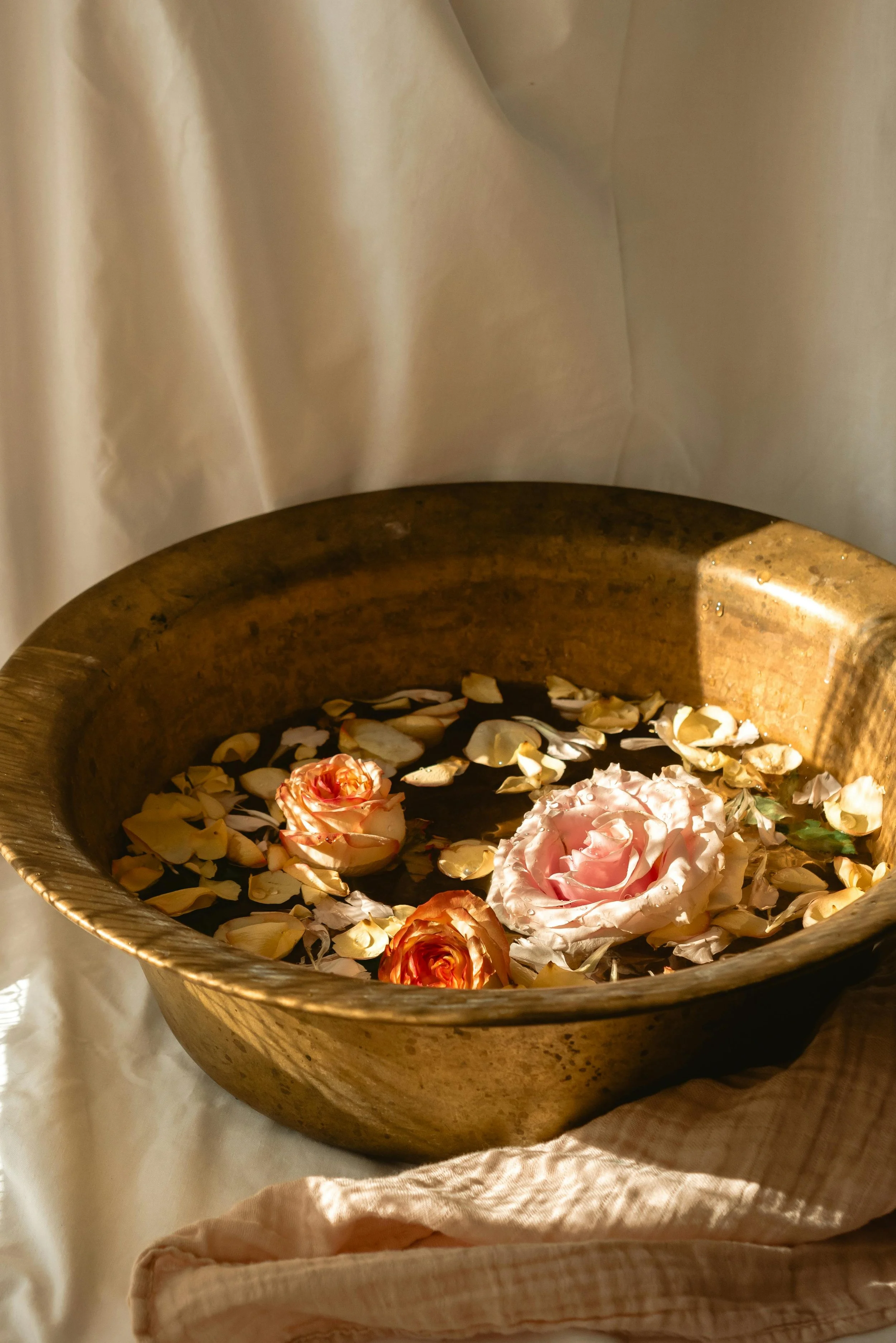
Image courtesy of Polina
Across the globe, ancient civilizations cultivated beauty rituals that were as intentional as they were indulgent. In Egypt, aloe vera was revered as a sacred plant, used to heal sun-warmed skin, soothe irritation, and restore moisture in arid climates—a practice mirrored in ancient India, where its hydrating and reparative qualities were equally prized. The Romans and Greeks turned to chamomile, steeping its delicate flowers into teas and oils to calm inflammation, soften redness, and illuminate the complexion.
Lavender drifted through European and Middle Eastern cultures, valued not only for its gentle fragrance but for its ability to soothe the skin and quiet the mind, blurring the line between skincare and ritual. Meanwhile, rose water became a cornerstone of Persian and Egyptian beauty traditions, misted onto the skin to tone, hydrate, and refresh, its scent lingering like a quiet luxury.
These time-honored practices—rooted in nature, intuition, and care—were treasured in the ancient world, and their influence continues to echo through modern beauty rituals today.
The Unintended Harms of Modern Skincare
Amid a booming industry forecasted to reach $24–30 billion in the U.S. market by 2025, the term “toxic beauty” has emerged to highlight the adverse effects of modern skincare products and their reliance on synthetic chemicals. These effects have been reported to impact up to 30% of the consumer population, according to a 2024 National Institutes of Health review of current cosmetic preservation strategies.
Natural ingredients—both long-known botanicals and newly identified plant derivatives—have become a central focus of the skincare industry, particularly within sustainability-driven product development. Recent research highlights that many plant extracts offer a range of skin benefits, including photoprotective properties against ultraviolet (UV) radiation, support for wound healing and skin regeneration, anti-aging effects such as improved hydration and reinforcement of the skin barrier and structure, and anti-tyrosinase activity relevant to skin lightening and pigmentation treatment (Michalak, 2023).

The Evolution of Skincare: From American Correction to Asian Prevention
The American Approach: Fix It Fast
Yet despite this growing awareness of natural ingredients’ efficacy, American skincare took a different path for much of the 20th century— one that moved away from the gentle, plant based wisdom of ancient traditions and toward aggressive, chemical-driven solutions.
Growing up, many of us remember the skincare aisle at the drugstore: rows of Clean & Clear promising "deep clean action" and late-night Proactiv infomercials featuring celebrities swearing their acne disappeared in weeks. It was the constant message of “your skin has a problem, and we'll fix it fast.”
These products were usually thick, medicinal textures and the ingredients consist of benzoyl peroxide, salicylic acid, and harsh alcohol toners. The goal was to strip away oil, dry out blemishes, and see results now. Before sunscreen became an absolute essential in everyone’s skin routine it was something you thought about at the beach or the pool…sometimes.
For many of us, this aggressive approach left our skin worse off—tight, flaky, irritated, caught in an endless cycle of treating one problem while creating another.
The Cultural Shift: K-Pop, K-Dramas, and a New Beauty Standard
With the global rise of K-pop, groups like BTS, BLACKPINK, TWICE and many others didn’t just captivate us with their music—they also introduced another layer of beauty standards within the west. Male and female idols alike had flawless, dewy, glowing skin. Many of these artists or their make-up team openly talked about their skincare routines in livestreams, posted selfies with sheet masks or toner pads, and normalized men openly caring about their skin routine.
Then, a shift definitely occurred during the late 2010s to early 2020s, when K-dramas boomed on Netflix, introducing Korean actors and actresses who had amazing skin because of the K-beauty regimen. Suddenly, we weren’t just watching compelling storylines, we were also subconsciously studying the radiant, poreless complexions of our favorite characters and wondering: what are they doing differently?
Between K-pop idols showing their backstage skincare rituals and morning routines as part of the plot in K-dramas, we were getting a masterclass in a completely different approach. This isn’t just about discovering the latest Korean products but also witnessing a different relationship with skincare where men and women alike treat their skin with gentleness and consistency.
What Changed: Prevention Over Panic
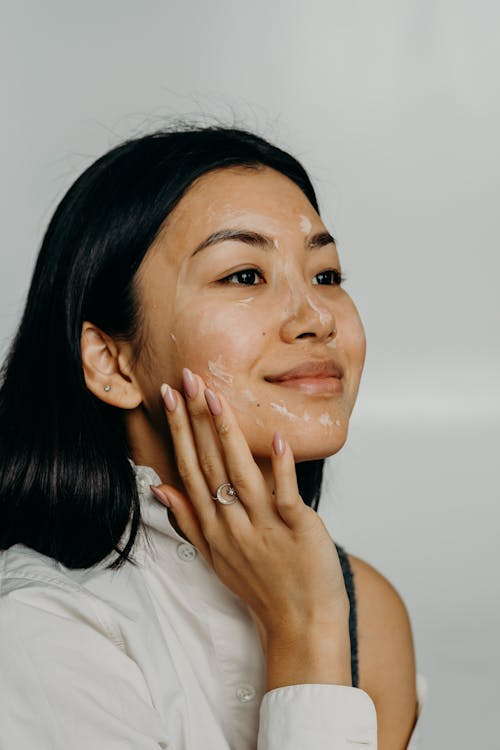
The skincare approach many Asian families have practiced for generations operates on a completely different wavelength. Instead of waiting for acne to erupt and then bombing it with harsh treatments, we maintain our skin's health daily. Small, consistent acts of care prevent problems before they start.
Hydration became our foundation. While American brands were mattifying and oil-stripping, Asian skincare recognized that even oily skin craves moisture. The "glass skin" trend—that luminous, healthy glow—isn't about covering up. It's about skin so well-nourished it naturally shines.
Gentleness became the central principle. The famous 10-step routine isn't about piling on products. It's about layering lightweight, targeted treatments that work together. Each step has a purpose: double cleanse to truly clean without stripping, essences to prep skin for absorption, serums to address specific needs, moisture to seal it all in.
Sunscreen became non-negotiable. What Western beauty culture dismissed as excessive, Asian skincare recognized as essential: daily sun protection preserves skin health and protects against UV damage—not as vanity, but as fundamental care.
Two Worlds of Marketing
The way skincare is sold to us reveals everything about cultural values.
American Marketing
American skincare ads sell drama. Proactiv built an empire on before-and-after photos and celebrity confessions. Clean & Clear positioned itself as the no-nonsense solution for "problem skin." The underlying message? You have so many flaws. Buy this to be fixed.
Movies, TV shows, and commercials amplify this anxiety to absurd extremes. A single pimple becomes a social apocalypse—the crisis before prom, the obstacle to living your life. The narrative is consistent: people will only see your acne, not you. Characters obsess, pop, conceal. You cannot be seen in public until your skin is “acceptable.” The breakout becomes the plot point. The solution is always the same: hide it, fix it, eliminate it.
It's the American dream applied to skincare—individual struggle, dramatic transformation, instant gratification.
Korean Marketing
Korean skincare marketing is strategically woven into entertainment. Brands have embedded themselves in the stories and through our favorite K-pop idols promoting them. We see them become brand ambassadors, sharing their routines on social media and in behind-the scenes content. In K-dramas, characters don't just happen to use products. Their morning routines become plot moments, their coffee shop meetings happen at specific branded cafés, and their nighttime skincare is shown in loving detail.
When Descendants of the Sun became a global phenomenon, it wasn't just Song Joong-ki's smile we noticed—it was the Innisfree cushion compact, the specific essence bottles, the way skincare was portrayed as a self-care ritual rather than emergency intervention.
Influence Comes Full Circle
Now, western media is embracing the dewy luminous aesthetic that K-beauty pioneered. Shows like Bridgerton have abandoned heavy, matte makeup that dominated Western period dramas for decades. The makeup artists have credited K-beauty inspired techniques for creating skin that radiates health and luminosity while portraying the Regency-era. Brands like Fenty Beauty and Glossier have adopted K-beauty’s core principles: skincare-first makeup, hydration, and the coveted natural glow.
Western beauty culture is finally catching up to what Asian communities and those ancient civilizations before them have known all along.
New Chapter Begins
For those of us straddling cultures, this moment feels like an embrace – recognition that our ancestors’ botanical wisdom was always sophisticated and effective. American brands have adapted by embracing hydration and natural ingredients, while K-beauty and J-beauty continue innovating with scientifically-backed ingredients like snail mucin and centella.
The focus has moved beyond reacting to problems and toward prevention and preservation. As this shift takes root, let Lotus take you on a journey through several Asian and Pacific Islander countries to uncover how modern skincare brands are harnessing the power of plants.
This is just the beginning of our recurring series—stay tuned for what’s coming next!