

“WHAT IS THAT?!” (Asian foods you’ve probably never tried before)
I used to be so embarrassed whenever I would open the lunchbox my mom packed for school and the kids next to me would peer over cautiously and ask, “What is that?!” I would never forget the time I had to explain what curry fish balls were and how no, I’m not really the balls of fish. Of course as a kid, I wanted nothing more than to just blend in with everybody else… but now… I finally realize how COOL my culture and how AWESOME it is to open up someone’s tastebuds. Without further ado, here are some Asian foods you’ve probably never tried before and some of them might indeed make you go “WHAT IS THAT?!”
Level: Beginner - stuff that can likely be found in your local Asian grocery store
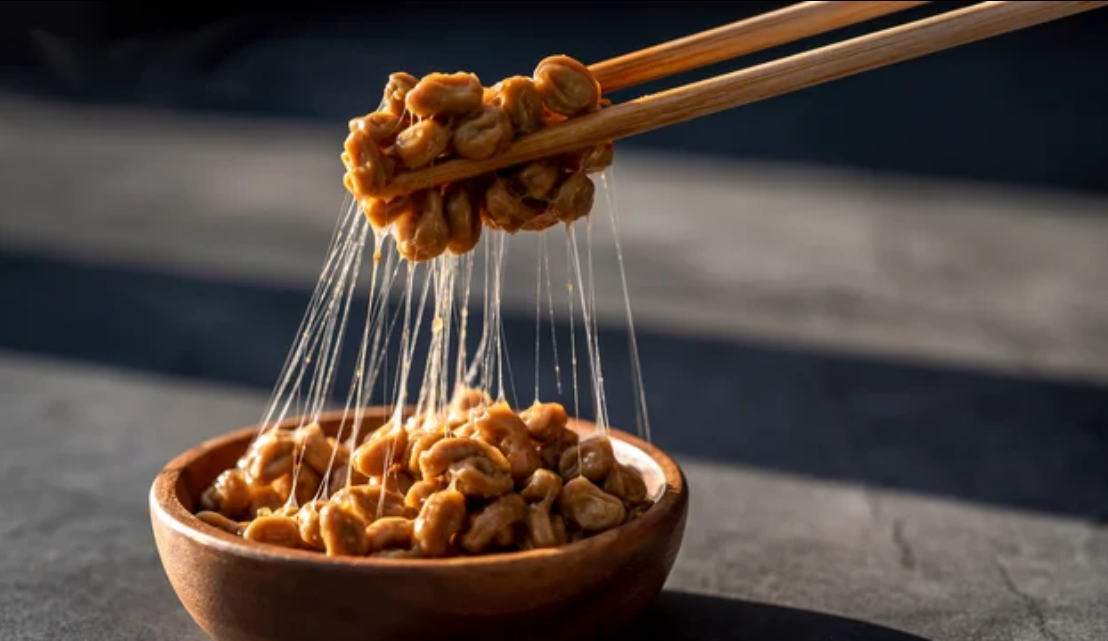
Image courtesy of Domurigu from Adobe
Natto - a traditional Japanese dish of soybeans fermented with the bacterium Bacillus subtilis
With the rise of social media and “foodie” influencers, I think natto isn’t as strange as it was once, but these ooey-gooey sticky beans with tendrils of little fibers holding them together are still definitely an acquired taste for most people. It is also very easy to customize these beans with savory, spicy, and/or creamy additions, which I believe makes it a beginner “strange” food to try, as you’ll most likely find a flavor profile you can enjoy (and it is great for your gut!!). A common way to eat this is over rice or salad. Most of the time, each pack of natto will come with a small sauce pack that makes it super easy to eat as a snack on its own as well.
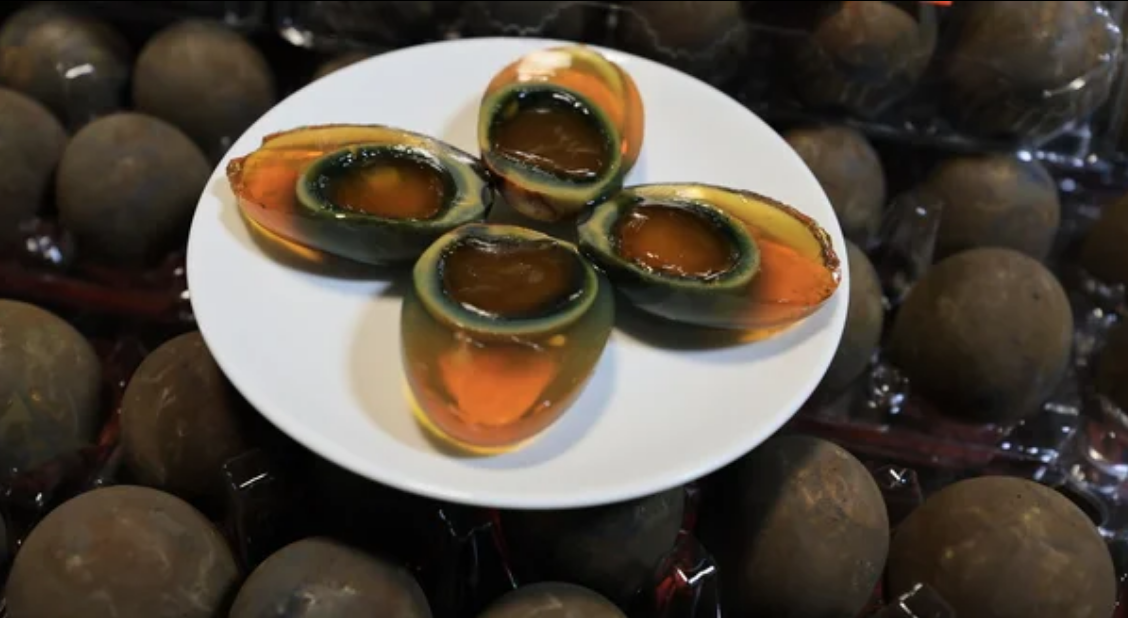
Image courtesy of eric1207cvb from Adobe
Century eggs - a Chinese delicacy made by preserving eggs in an alkaline mixture of clay, ash, salt, and quicklime for several weeks
On the outside, these look like your regular boiled egg. Once you crack the shell, you might think to yourself… “is this rotten?” Honestly, a completely valid reaction, especially with its slight sulfurous scent and cheese-like texture of the yolk. I would describe century eggs as having a very complex “umami” flavor, with a creamier yolk and the “egg whites” being more gelatinous. If you find yourself at a Chinese restaurant with century egg porridge, I highly recommend trying it out!
Try out this century egg and pork porridge recipe by Made with Lau!
Level: Experienced - now these might be a bit harder to find in the US but you can probably still find them in a niche store
Balut - a popular Filipino street food made from a developing bird embryo that is incubated for 14 to 21 days
While also looking like just another hard boiled egg from the outside, unlike a century egg, this one has a surprise once you crack open the shell. I can totally understand the psychological discomfort, and maybe even visceral reaction, at the idea of eating a baby chick. If you can get past the initial visual of a partially developed embryo, the taste of balut has often been described as being basically “chicken soup-in-a-shell."
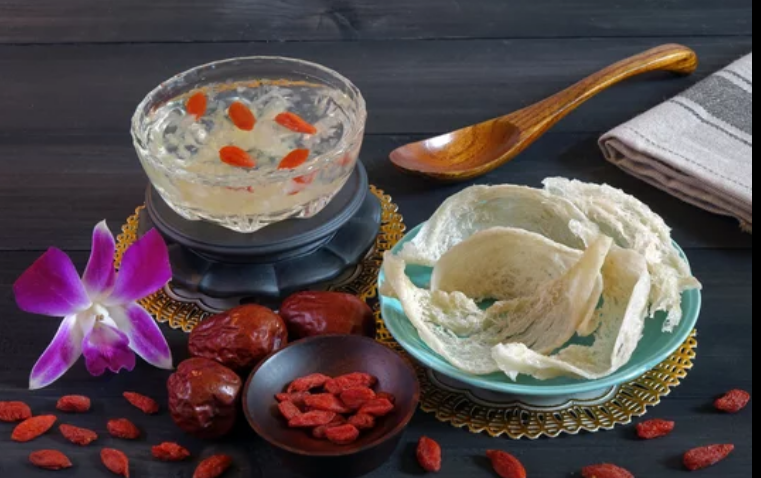
Bird’s nest and bird’s nest made into a sweet dessert
Image courtesy of Cheattha from Adobe
Bird’s Nest - made from the dried, solidified saliva of swiftlets (small birds found primarily in Southeast Asia)
This is considered a high-end delicacy in Chinese culture. If caviar is a luxury in the western world, then bird’s nest is the “Caviar of the East.” While you are not directly eating the bird like with Balut, it may still feel strange to eat a bird’s home. Swiftlet birds, unlike most other birds making nests from twigs, make their nests from their protein-rich salivary strands, which harden when exposed to air. If you think about it… yes… you are swapping saliva with a bird. However strange this food might seem, it is actually very gentle on the palate, especially when served as a sweet dessert soup (tong sui) with rock sugar, which you just may be able to find if you’re lucky enough to attend a Chinese banquet.
Learn more with AgroWorks USA about how bird’s nest is made from swiftlet saliva!
Level: Boss - you’ll probably have a harder time finding these delicacies
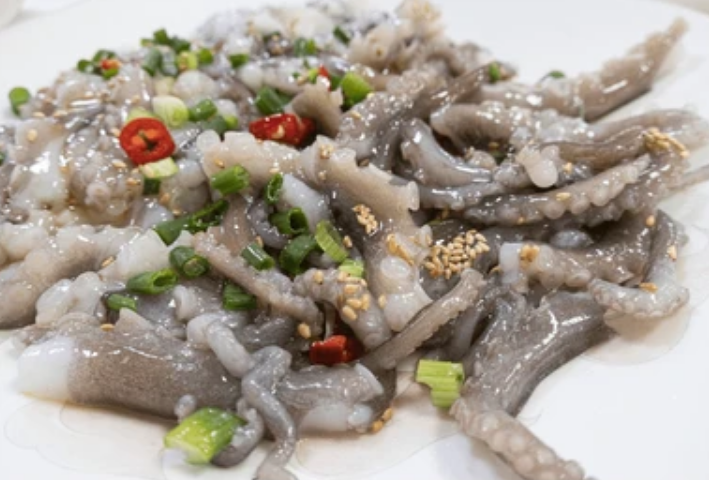
Image courtesy of mujijoa79 from Shutterstock
Sannakaji - a Korean raw dish consisting of a long arm octopus (nakji) that is cut into small pieces and served immediately while the tentacles are still squirming
Now this is where things start to get squeamish (literally!)... I think if I saw my food squirm on my plate or feel it squirm in my mouth, I would definitely freak out a bit.
Because the octopus’s neurons remain active even after it’s been prepared, the suction cups are still fully functional, meaning your meal will literally try to stick to your tongue or the roof of your mouth. My only advice for you is… chew thoroughly and hope it goes down smoothly.
There are a few locations in Koreatown Los Angeles to find live fresh seafood.
Hwal A Kwang Jang: This lively seafood restaurant is famous among locals and food critics for its fresh selection, serving the tentacles drizzled with sesame oil and salt.
Location: 730 S. Western Ave, Los Angeles, CA 90005
Contact: (213) 386-6688
Burnin' Shell: A popular spot known for its fresh raw seafood and pocha (Korean pub) atmosphere, where you can watch the octopus tentacles wriggling on your plate.
Location: 3916 Wilshire Blvd, Los Angeles, CA 90010
Contact: (213) 388-1815
LA Hwaluh: Another dedicated live seafood and sushi spot in the neighborhood that prepares and serves this cultural delicacy.
Location: 2707 W 8th St, Los Angeles, CA 90005
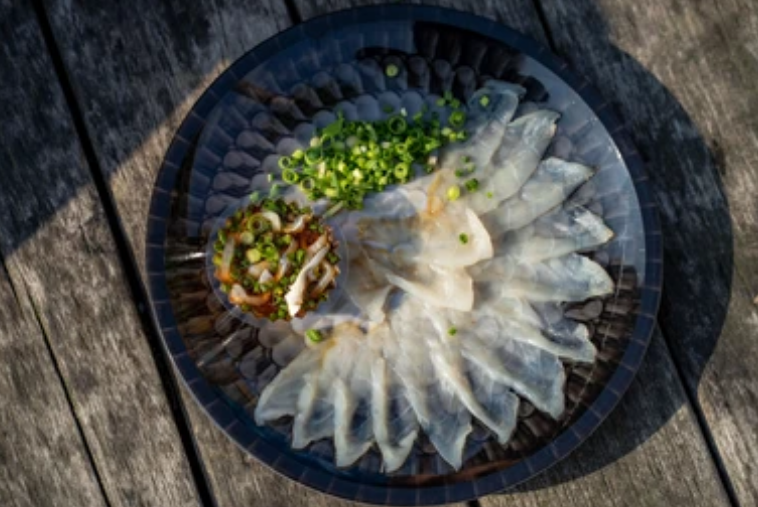
Image courtesy of Titisak Wangkasem from Shutterstock
Fugu (Pufferfish) - a Japanese delicacy requiring specialized chefs to remove the toxic organs while preserving the edible flesh
Calling all thrill-seekers, we have arrived at the true boss level of adventurous foods. The stakes are definitely high, for both you and the chef, as it truly tests their skills in this seemingly life-or-death challenge. Tetrodotoxin is a lethal neurotoxin found in the organs of pufferfish and you thrill-seekers are trusting your chef to have masterfully prepared everything to be safe for consumption. It is usually served as fugu sashi, meaning the meat is sliced so thinly that you can see through it to the plate underneath. It is totally normal for you to feel a slight, numbing tingle on your lips when consuming pufferfish.